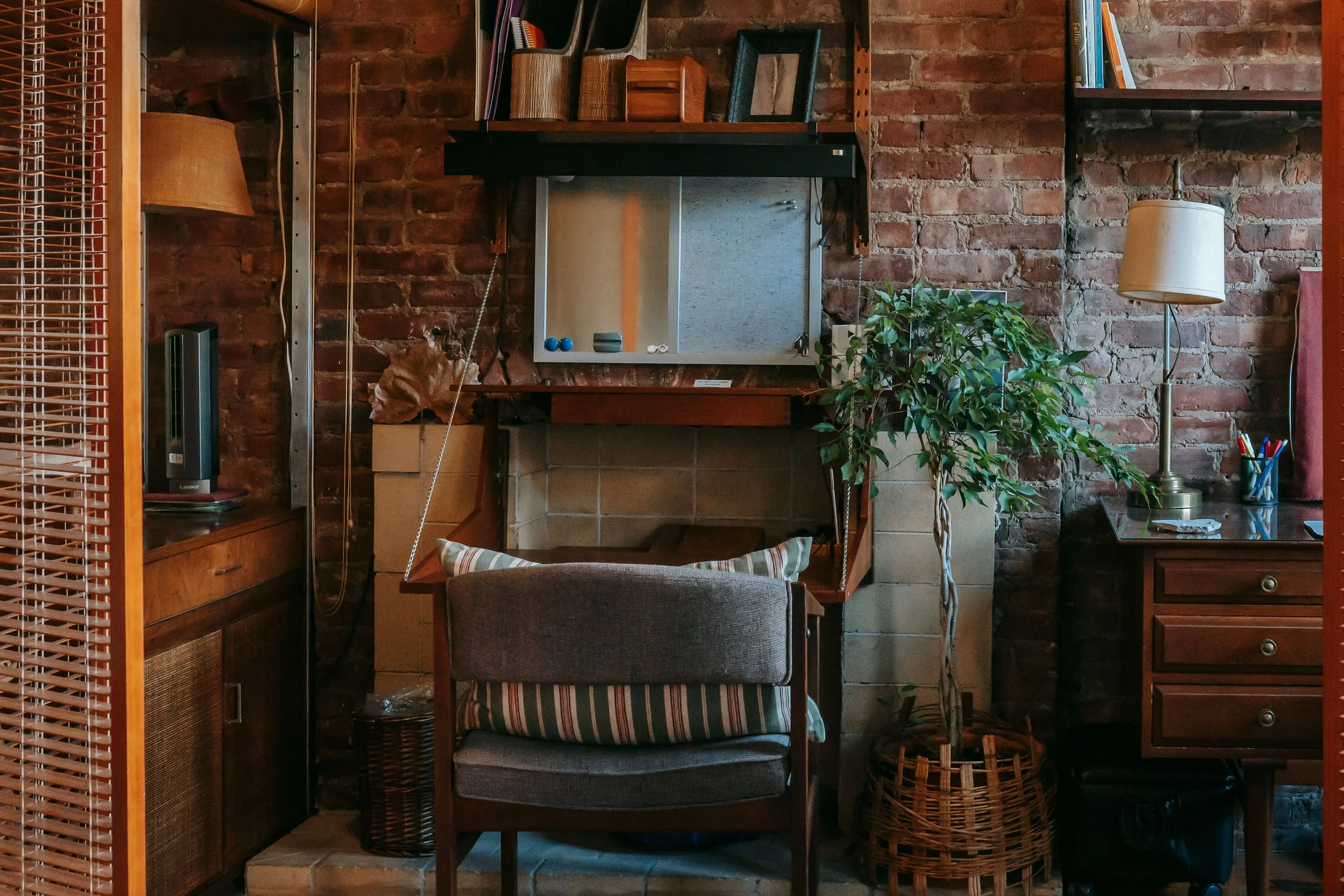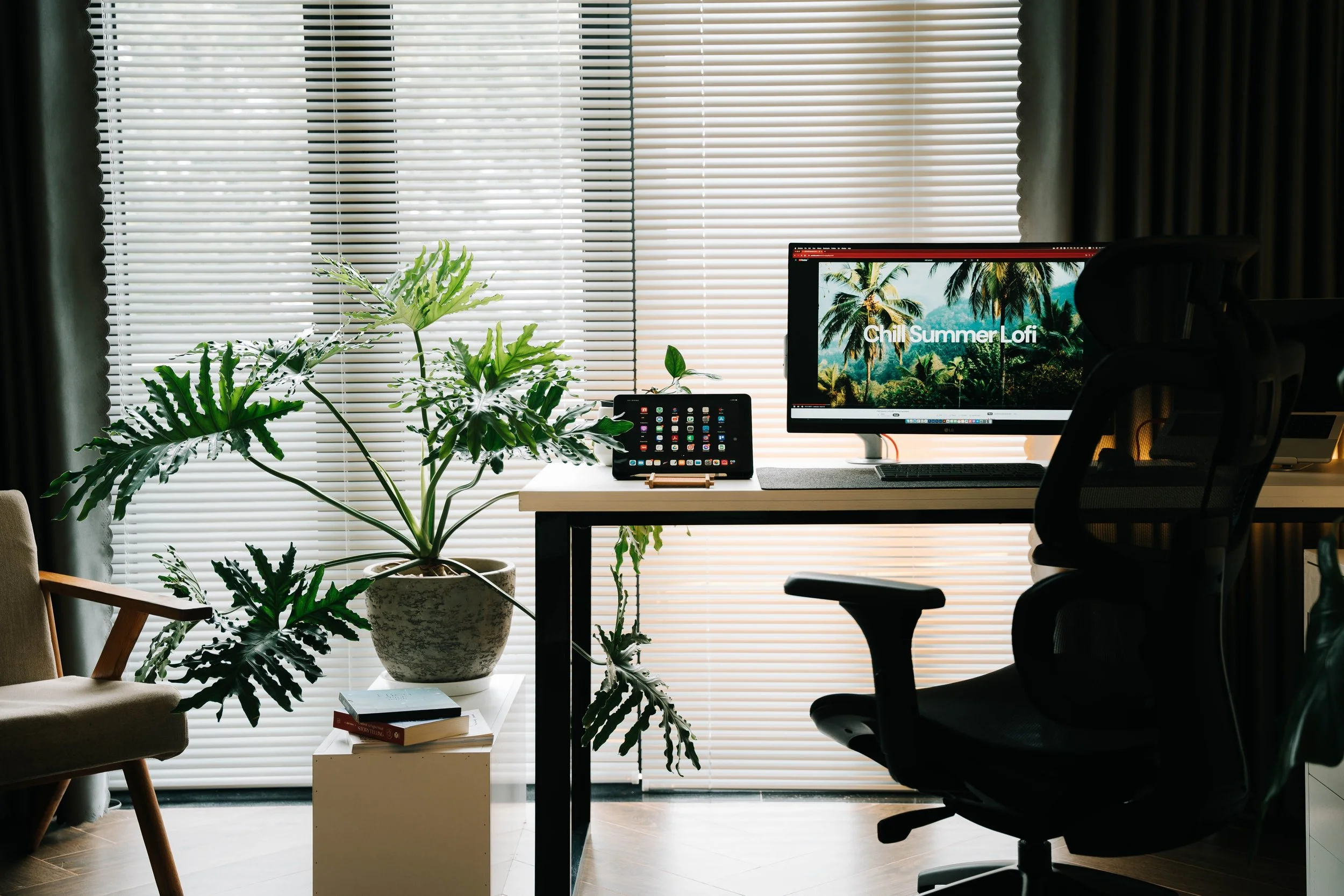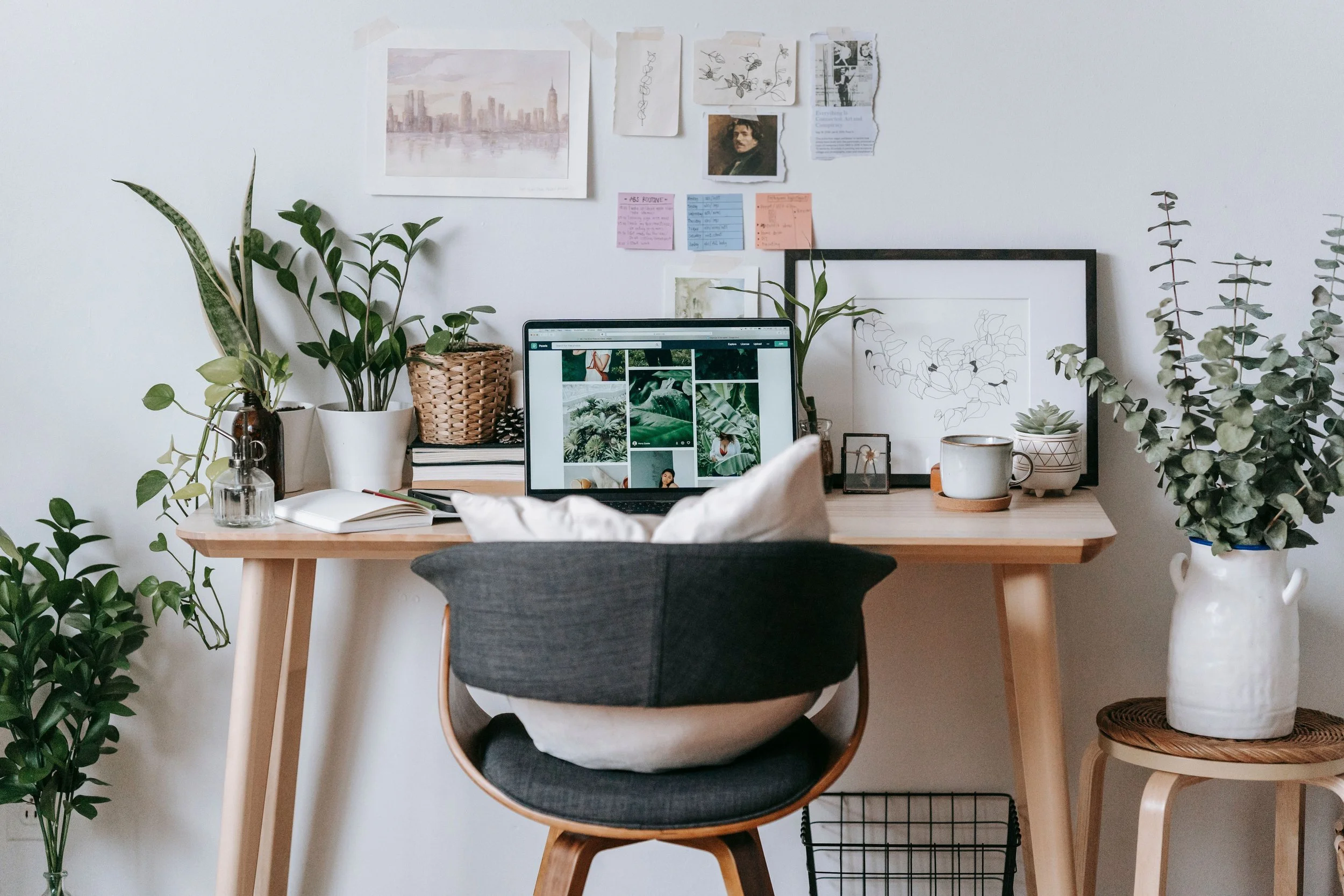

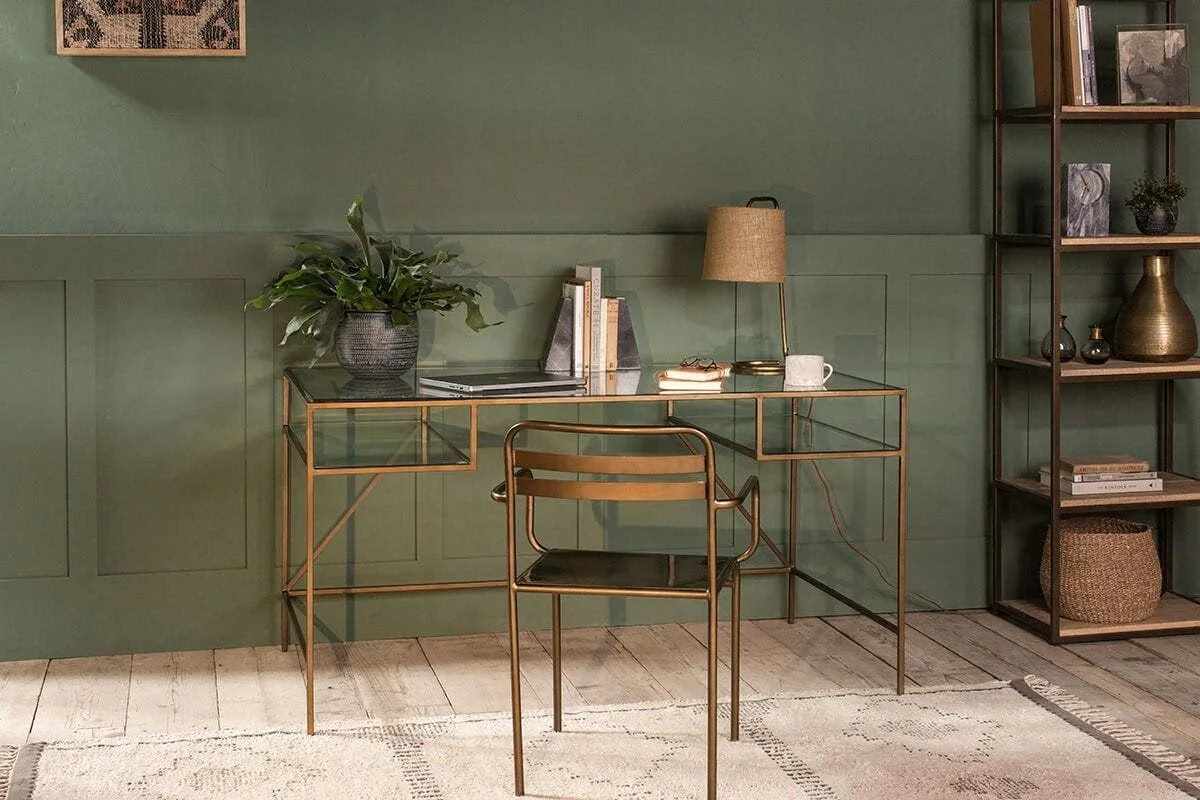
Creating a home office
Working from home for the very first time can be a huge task, not only by having the right working environment, but the new discipline living and working in your own home. This is a space that can be made to be comfortable and stylish, whereas the usual office tends to be a commercial soulless space. If you have a home office, it is paramount that you can then switch off and enjoy your normal, everyday home life and have a good balance between the two. Ideally having the office is a closed off room or separated by a screen would be ideal, but there are more ways to make this possible.
Tips and Questions to getting you started:
What is it that you are required to do typically in your job role? Using a computer, designing, drawing, writing etc.
Will you be using a printer and telephone a lot?
Do you need a quiet space? Are you on the phone a lot?
Will you be having visitors/clients coming to your home office?
Does your work require a lot of concentration needing light?
Think about the position of your office to how close to where the front door is.
Consider to how close your home office is to the WC for clients if required.
Where to put your office?
Your starting point will be where to put the office. If you do not have clients coming to the house, you could utilise the smallest bedroom upstairs if the space is unused or a room downstairs which would only be underutilised. Consider then (if clients do come to the house) that it is near to the front door and a toilet as you would not want a client to have to walk through to the kitchen with dishes from the night before and then to pass a child’s untidy bedroom before getting to the office.
Working out your Workspace
Depending on your work role, it will reflect on your work space. Think about items such as:
Your own desk
A second desk (if needed)
Wall space for storage/shelving
Seating, plus maybe for a visitor or two?
Filing cabinets/storage
Utilising enough space for items such as a printer
Coat hanging space if you have visitors
Waste paper bin and/or shredder
Deciding on your Equipment
Inefficient equipment will only slow you down and can end up being a costly problem.
Ensure that:
Your phone line is different to that of your home telephone line.
Wireless option for your laptop will give you more flexibility to move it around, especially if you have to do a presentation.
If purchasing new items such as printers and copiers, ensure they are quiet so they do not interrupt you.
All wires are securely tied away and not over hanging causing potential risk.
Allow enough plug sockets and do not overload them (some plugs can overheat using extension sockets).
Lighting
By far – the easiest solution would be to have plenty of natural day light but this is not always possible. Brighter rooms are always a massive bonus, however, the position of the house can also have an impact on some of the rooms:
Natural Day light types:
North facing rooms - are generally known to be the colder part of the house therefore, more consideration to lighting may need to be addressed.
East facing rooms - usually brighter in the morning with little sun in the afternoon. Extra lighting would be needed in this room.
South facing rooms - they would be warm and light for most of the day, and this would be a lovely room. The kitchen or any room which you will spend the most time in would be best situated in a south facing room.
West facing rooms - another lovely room due to it being warm, especially at the hottest part of the day, but be careful due to plenty of glare or materials fading.
There are many ways to take advantage of the daylight we have and here are some tips:
Use glass furniture to bounce the light and use mirrors to sit opposite a window to reflect even more light into the room.
Use light coloured soft furnishings for curtains and flooring or sheer voiles to allow the light into the room while still giving you the privacy.
If budget allows, a skylight in the kitchen or even being able to put an extra window in (this maybe a little landing or hall window – permission may be needed).
Cut back all garden shrubs / climbers blocking out natural day light at the windows.
Clean all windows inside and out.
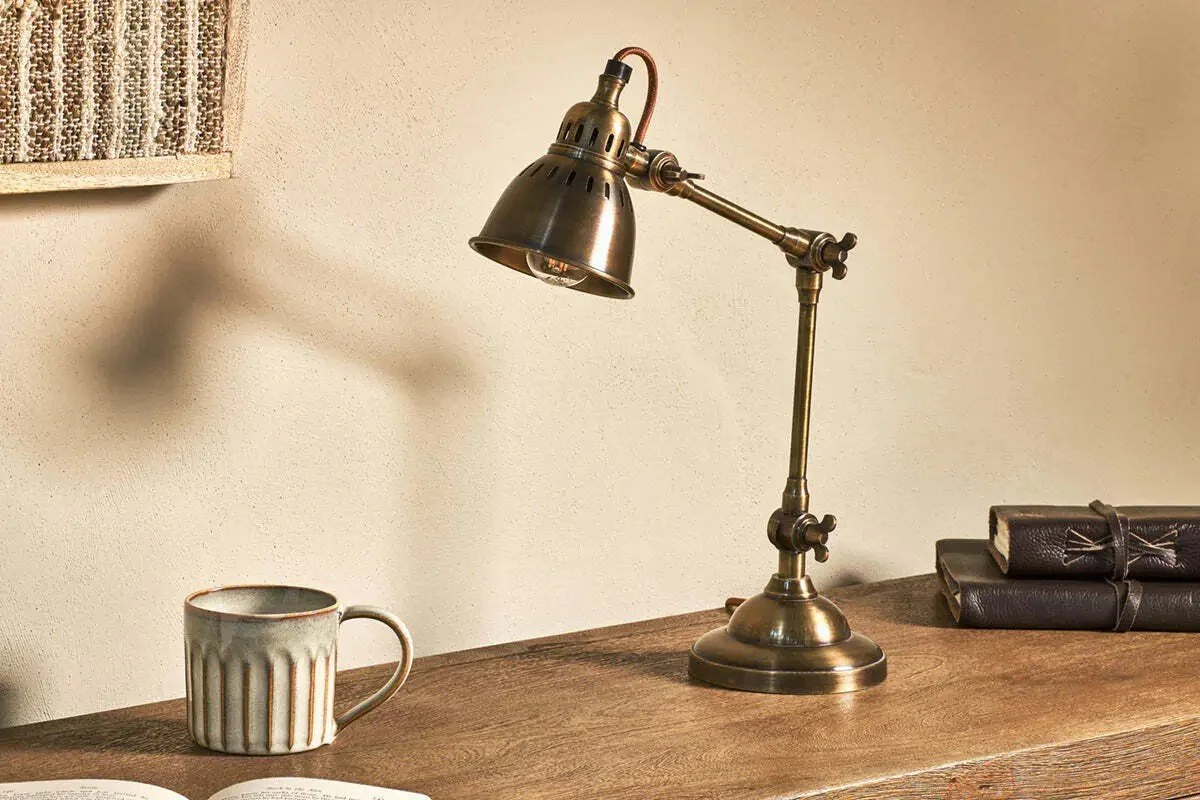
Nkuku Rami Table Lamp - Antique Brass
Ergonomics
In order for you to work efficiently, comfortably and safely, it is important that your work place is enhanced by ergonomic equipment allowing you to work more productively.
Is the desk at the correct height and in line with your office chair? It is vital you do not stretch whilst reaching up too high or too low stooping resulting in bad posture creating aches and pains.
Think about your lower back support as well as the height of your chair and giving you a foot rest (if you need it).
If you use the computer frequently, think about an ergonomic wrist support, these can be made from gel giving you maximum support and comfort.
Choosing your Colour Scheme
There is no doubt that colour can have an impact on our well being and can cause a reaction whether bad taste or good! We spend money, effort and time to get our homes looking beautiful, so why not the home office?
It has been proven that colours can boost your energy levels or have an adverse effect if you get it wrong. Here are some ideas to help you decide and maybe reflect your personality:
Click here to see our using colour guide
Go Green in your new Home Office
There are many ways in ‘Going Green’ today and helping the environment in your home life and your work life. Here are a few handy tips in helping you:
Waste disposal
Minimising the waste throughout our daily routines where ever possible by using recycled plastics and metals as well as biodegradable materials.
Look at the packaging of your purchases so not to create too much unnecessary waste.
Get creative by re-vamping an old piece of furniture or even second hand and really give it a new lease of life by perhaps painting it or changing the drawer handles. This will really save on the demand of new production or even the item being discarded into a landfill (alternatively landfill sites do have a facility whereby they may be able to sell your products).
Always try to give your furniture away rather than throw away. There are so many charitable groups around that will willingly take them off your hands and pick them up too.
Offer your old office/home electronics to companies for reuse in third world countries.
When shredding paper – perhaps keep for the log fire or dispose of at a recycle point.
Type of materials:
Think about the materials you buy. Look out for items that are used from sustainable timbers and well managed forests in accordance with the Forest Stewardship Council.
Try if possible to source your products locally, reducing carbon footprint on imports and exports. The assembly process alone during the manufacturing process uses huge amounts of energy with electricity using large specialist machinery.
Using flat pack furniture can really help saving on energy supplies as well as packaging & waste.
Organising & Functionality
Keep your items of furniture functional as well as being timeless so that they can be used their whole life time.
Try and keep your items well organised and not too much clutter so practical storage is a must. This will reduce your stress in finding things more easily.
Using a piece of furniture that has a dual purpose ie; a table which also has storage capabilities creating more space.
Use recycled paper or start sending your documents via email, then putting all your information onto memory sticks reducing your filing to an absolute minimum.
Your home office in particular will promote efficiency and your well-being to a high if you follow these steps.
Reminders
PAINTS - toxin free.
FABRICS - recycled / up cycled
ELECTRICITY - turn off at mains when not in use (do not put on standby)
AIR FRESHENERS - toxin free
CLEANING PRODUCTS - toxin free (Eco friendly products available)
LIGHTING - recycled & using low energy bulbs
FURNITURE - recycled or use from sustainable sources
MATERIALS - plastics, metals, wood – recycled or from sustainable sources.
WASTE - keep to a minimum (refills a great idea & shredding)
PACKAGING - keep to an absolute minimum
STORAGE - recycled storage boxes
COMPUTERS - store your information on memory sticks reducing paper overloading and files
Suggestions for office furniture/items
Desk
Chair
Armchair (for guest)
Shelving
Storage Cabinet
Electrical Equipment eg. Printer, computer, cutter etc.
Rug
Lighting: Task, Ceiling & Floor
Bin / Shredder
Clock
Plants
Window Treatment – Blind/curtains
Wall Art
Cushion
Table Accessories such as; photo frame, paper weight, plant pot, lamp