

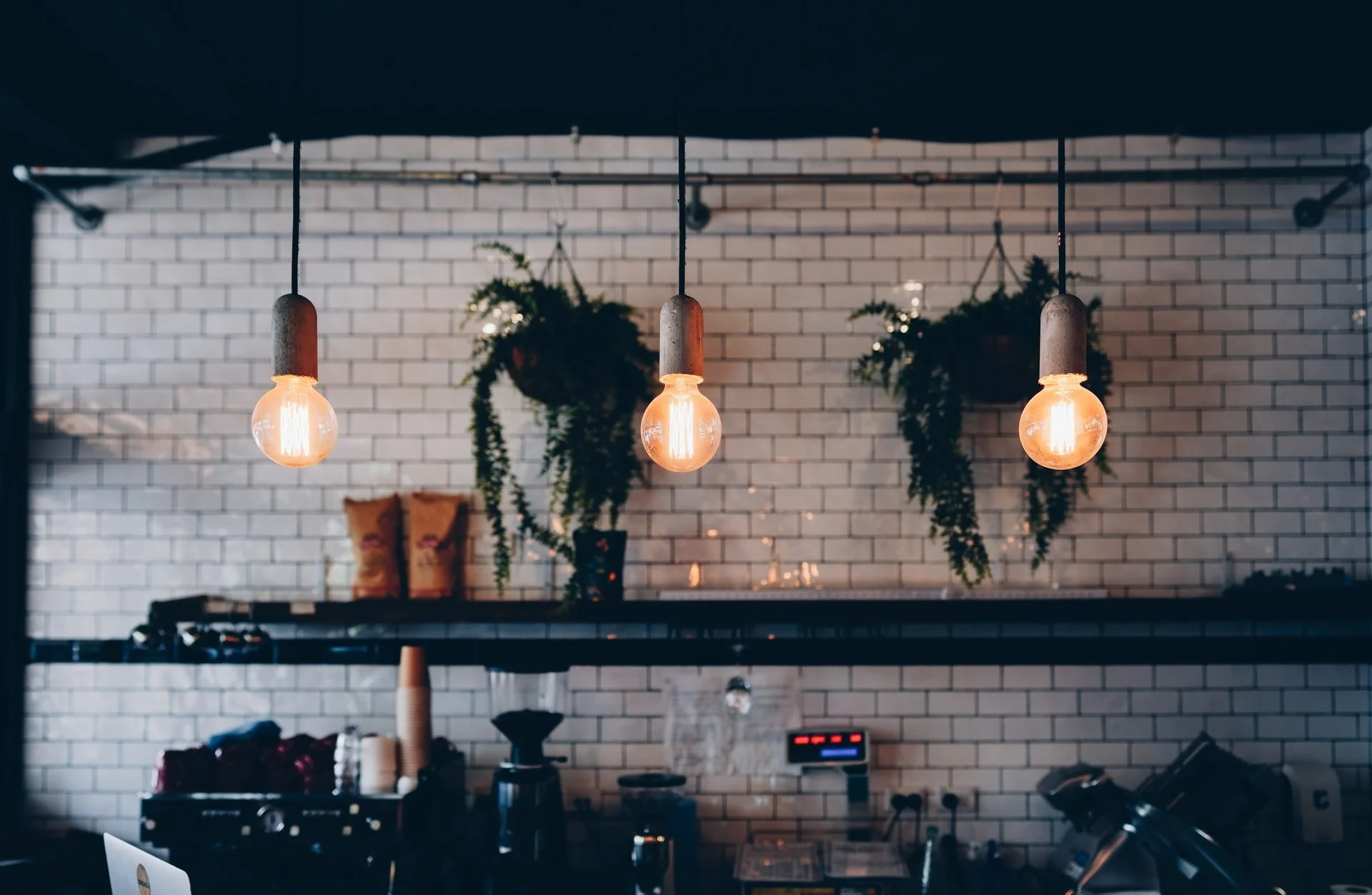
Lighting for mood
Lighting has the power to transform your home, both inside and out. By combining natural daylight with well-planned artificial lighting, thoughtful material choices and today’s wide range of energy-efficient and solar-powered options, you can create spaces that feel warm, inviting and full of character.
Whether you want a dramatic entertaining space, a cosy living room or a soft, calming bedroom, lighting allows you to completely change the atmosphere with the flick of a switch. Outdoors, carefully positioned lighting can highlight architectural features, illuminate pathways and extend the enjoyment of your garden long after sunset.
What makes lighting Sustainable
Sustainable lighting is about making choices that are better for both your home and the environment.
When selecting light fittings, consider materials such as recycled glass, bamboo, sustainably sourced wood and recycled plastics. Choosing high-quality, repairable designs with replaceable bulbs will help our lighting last for many years, reducing waste and the need for frequent replacement.
Buying vintage or second-hand lighting is another sustainable option and can add character and individuality to your home. However, always ensure pre-owned electrical items have been PAT tested (Portable Appliance Tested) or are inspected by a qualified electrician before use to confirm they are safe.
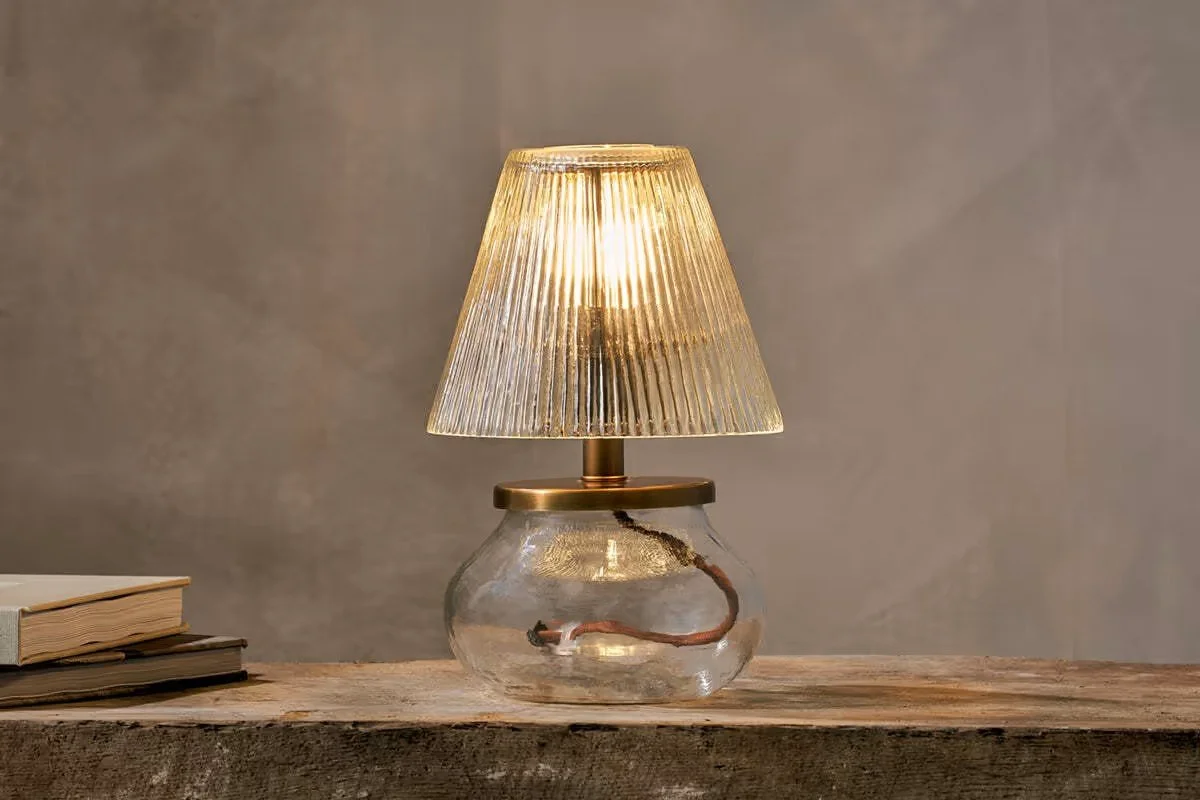
Please click on the image to view product
Not sure where to start?
Every room in your home has a different purpose, so your lighting should reflect how you use the space. Before choosing light fittings or deciding where they should go, think about the activities that take place in each room. Whether it’s preparing meals in the kitchen. enjoying family dinners, helping with homework, relaxing with a book or unwinding in front of the television, understanding how you live in the space will help you create lighting that is both practical and atmospheric.
These simple questions are a great starting point for designing lighting that truly works for your home.
Who’s the space for, and how will it be used? This will help determine the mood and ambience you want to create.
When will the room be used? Will it mainly be used during the day, in the evening or throughout both?
How much natural day light does the room receive? Consider the room’s tend to feel cooler and receive less direct sunlight, while south and west facing room are generally brighter and warmer.
Are trees, neighbouring buildings or overgrown shrubs blocking natural light? If so, you may need to introduce additional layers of lighting to compensate.
Which activities need focused task lighting? Think about reading, food preparation, working from home, applying makeup or hobbies that require good visibility.
Where could accent lighting add interest? Use lighting to highlight artwork, shelving, architectural details or indoor plants, adding depth and character to the room.
What mood do you want to create? Calm and cosy, bright and energising, or something that can adapt throughout the day?
Will the room be used for different activities? Think about relaxing, reading, working from home, entertaining or family time, and whether each activity needs its own type of lighting.
Are there any dark corners or poorly lit areas? Layered lighting can help eliminate shadows and make a room feel more balanced.
Would dimmers or smart lighting improve flexibility? Adjustable lighting allows you to change the atmosphere as the day progresses.
How does the room connect with your garden? Consider whether lighting could create seamless transition between indoors and outdoors, particularly in the evening.
Should the lighting be a statement feature or blend into the background? A striking pendant or chandelier can become a focal point, while discreet lighting can quietly enhance the room.
Where will light naturally fall? Consider how daylight moves through the room an how artificial lighting can complement it after dark.
Could lighting improve the sense of space? Well-positioned lighting can make a room feel larger, highlight ceiling height and add depth to smaller spaces.
Is the lighting energy efficient? Choosing LED lighting, quality materials can reduce energy use while providing long-lasting performance.
What do you want your home to feel like when you walk into a room? Think beyond just brightness and instead focus on creating an atmosphere.
If you want to plan the right type and amount of lighting, a good place to start is by noting your fixed features, such as shelving, alcoves, fireplaces, windows and doors.
It can help by sketching these onto your room plan so you can easily update and adjust things as your ideas develop.
Also, think about how the whole house feels together, does the lighting create a consistent glow and flow from room to room, linking the spaces through both mood and design.
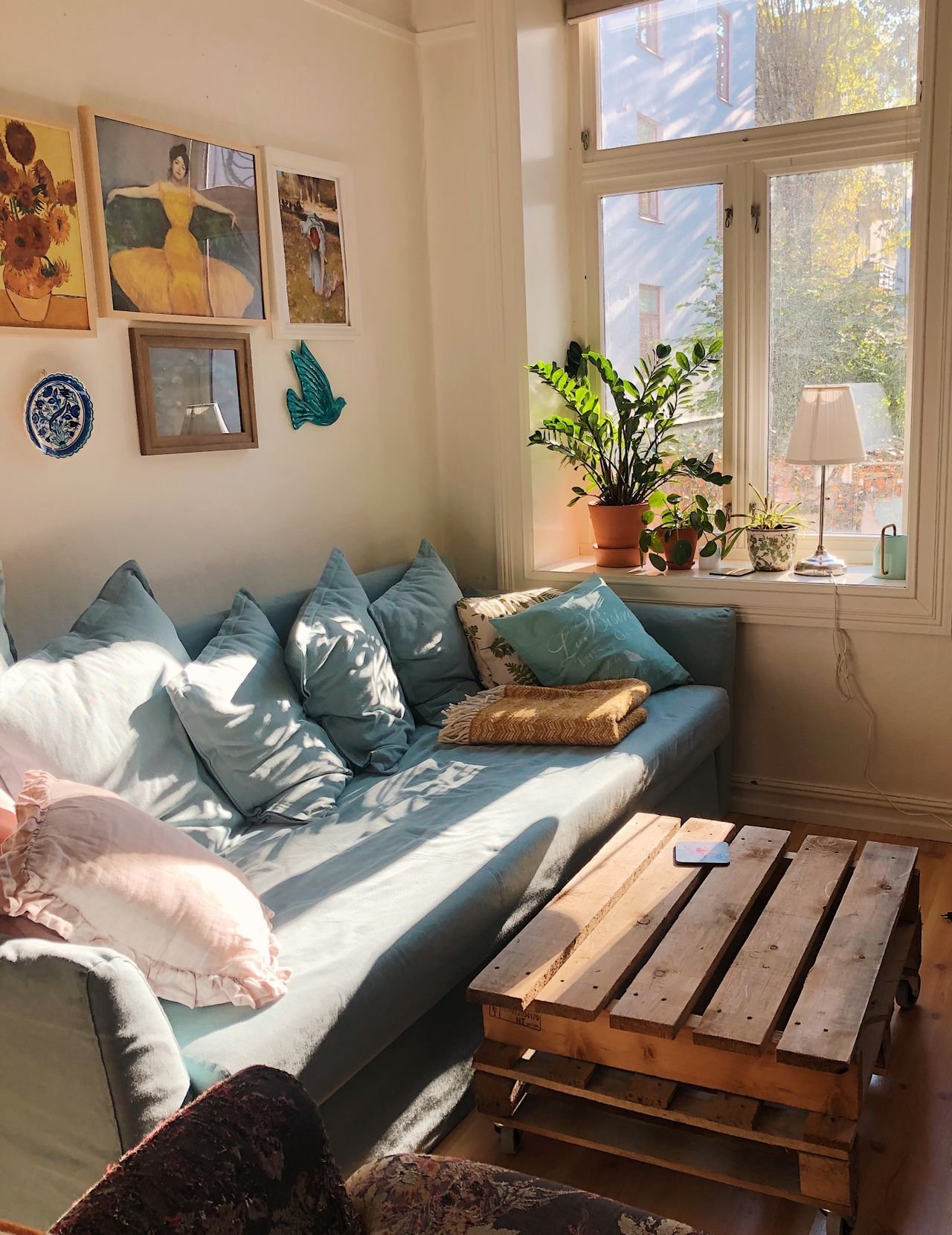
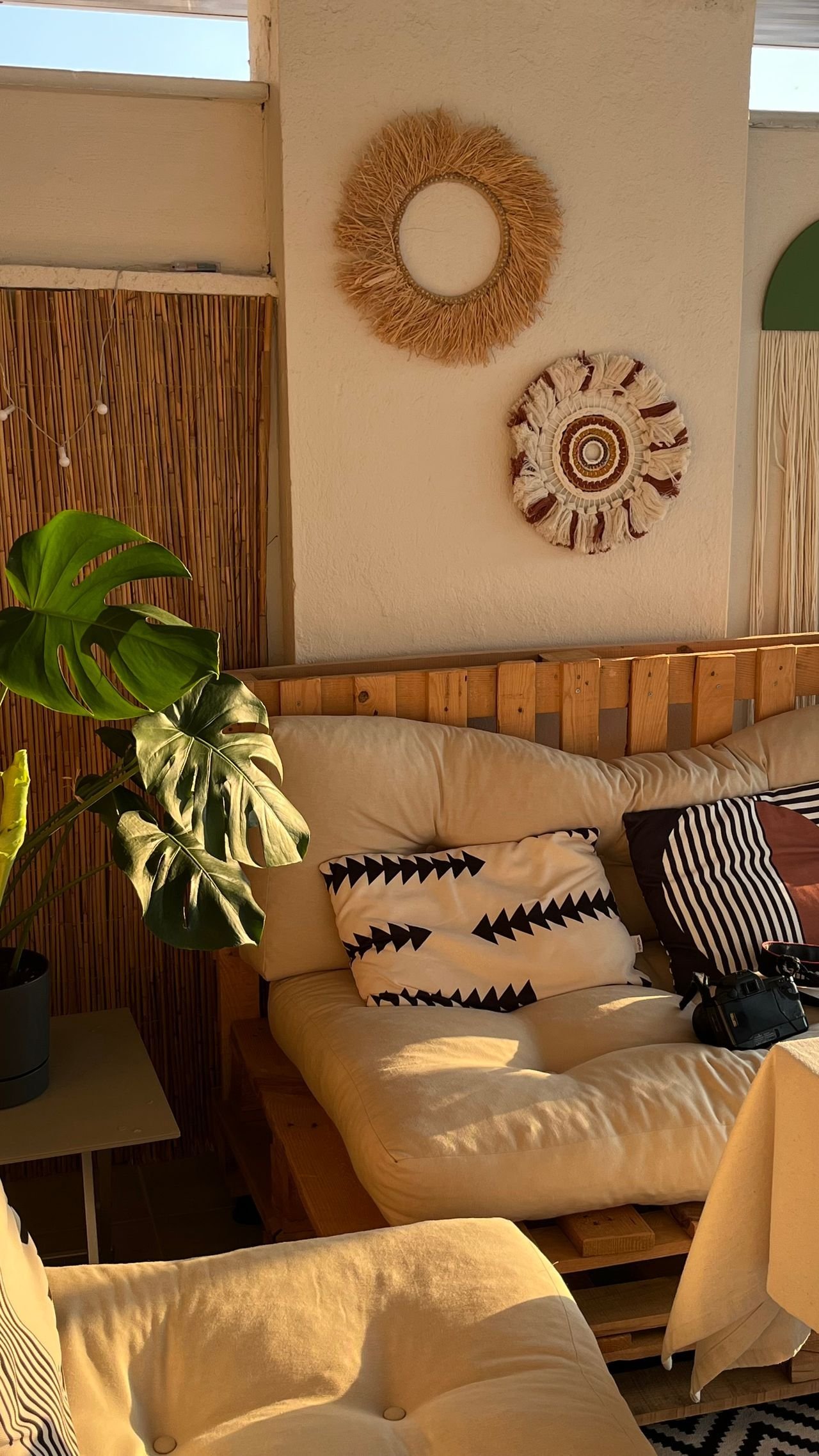
Natural Daylight types:
North-facing rooms - are generally cooler and receive less direct sunlight, so they often need more considered lighting to create warmth and balance.
East-facing rooms get stronger morning light, making them feel bright and fresh early in the day, but they can become cooler and dimmer in the afternoon and evening so layered lighting works well.
South-facing rooms benefit from the most consistent natural light throughout the day, often feeling warm and bright, which means lighting can be used more subtly or to enhance mood in the evenings.
West-facing rooms receive stronger light in the afternoon and evening, creating a warm glow later in the day, but may feel dimmer in the morning and benefit from balanced lighting earlier on.
Understanding how natural light moves through your home is key to creating a lighting scheme that feels comfortable, balanced, and beautifully connected throughout the day.
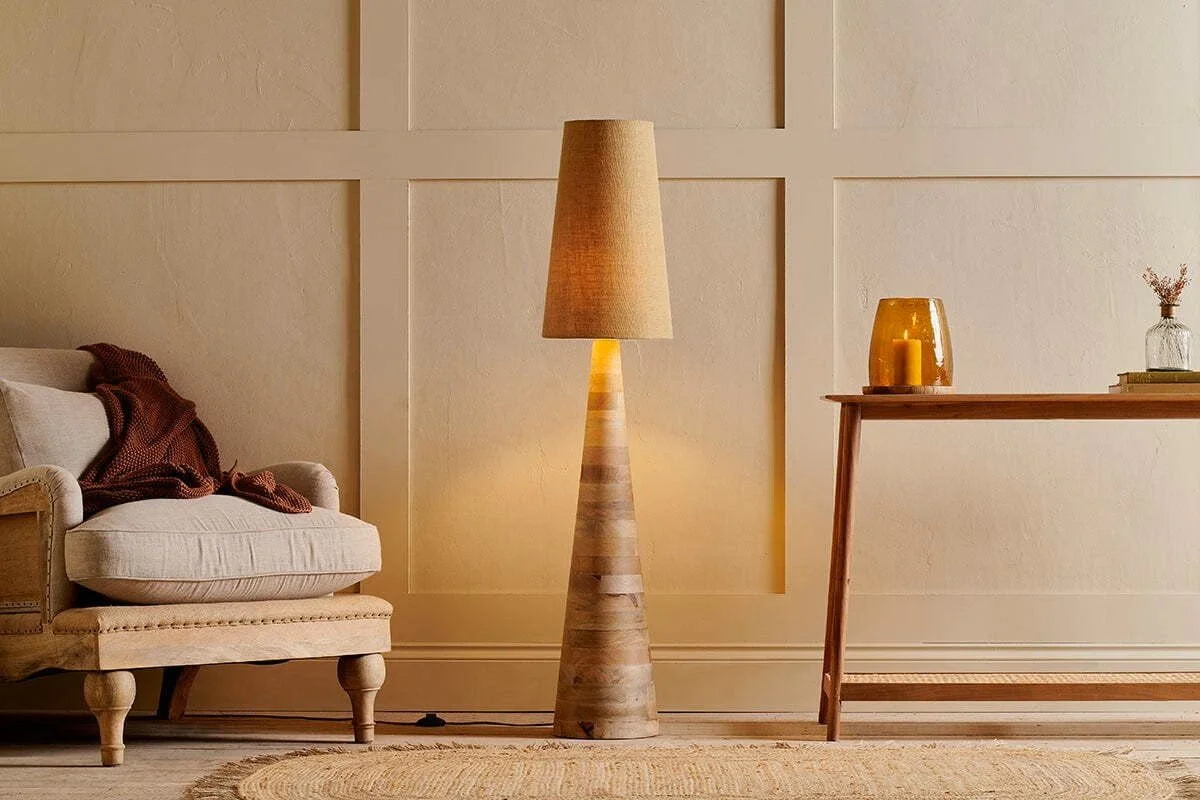
Please click on the image to view product
Try using glass furniture to keep light moving throughout the room, and place mirrors opposite windows to reflect even more natural light back in.
Use light-coloured soft furnishings such as curtains, rugs and to keep the space feeling bright, and opt for sheer fabrics to let in light while still maintaining privacy.
If your budget and building regulations allow, a skylight in the kitchen or even an extra window in a hallway or landing can make a big difference to natural light.
Trim back any shrubs or climbers outside the windows that are blocking natural light.
Avoid placing bulky furniture in front of windows, as this can block light and make the room feel darker.
In darker spaces, consider satin or soft reflective paint finishes on walls and ceilings to help bounce light around the room.
Choose lighter wall colours where needed such as lighter tones on walls and ceilings can help maximise natural light and make a space feel more open.
Think about internal sightlines between rooms such as glazed doors or open layouts. This can help natural light travel further through the home
Finally, keeping windows clean inside and out can make a surprising difference to how much light comes into the room.
Small adjustments such as the above can make a noticeable difference to how light and spacious your home feels throughout the day.
Artificial Lighting types: If you’ve got a room that feels a bit dark and cold, don’t worry as there are some simple lighting choices that can completely transform it into a brighter, more sunny space.
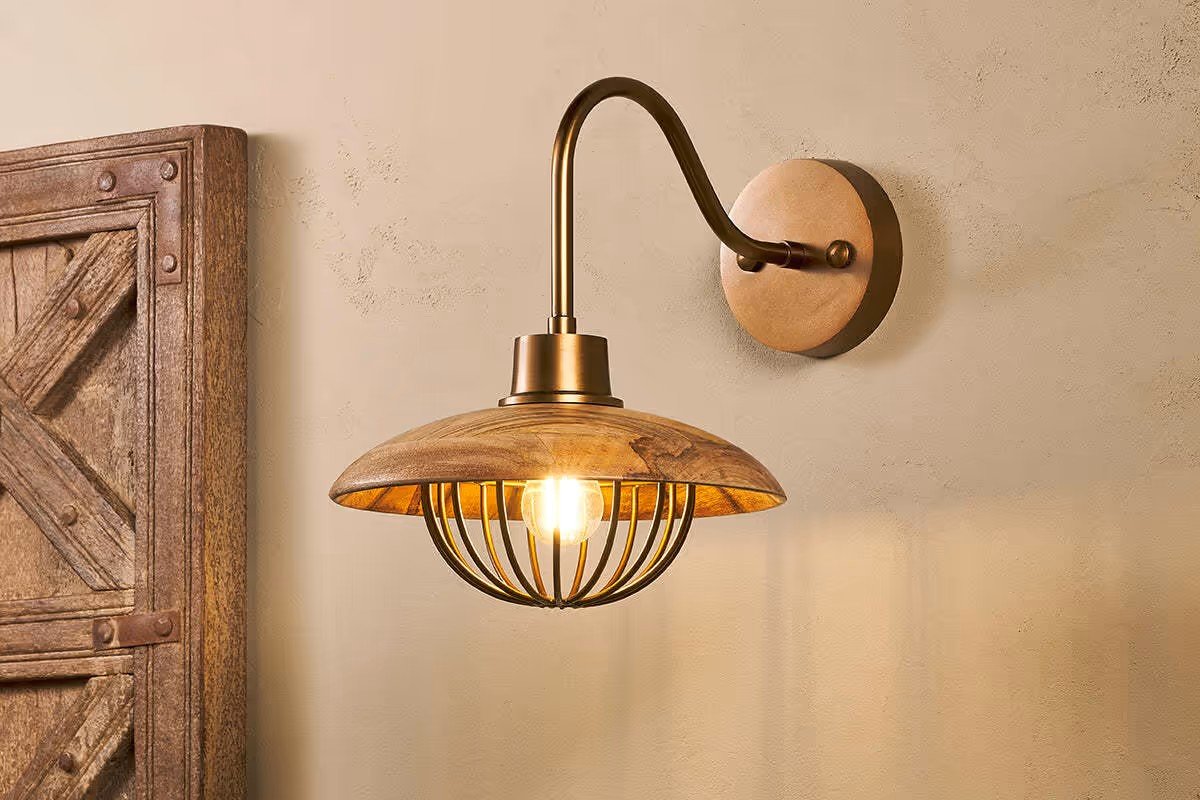
Please click on the image to view product
Accent Lighting is the kind of lighting you use to highlight a specific object or feature in a room. It helps add a bit of mood or drama, while also creating depth, shadows, and focus both on the item itself and in the space around it.
You could use downlighters, uplighters, or even hidden lighting to create atmosphere through shadows. For example, placing light behind a plant can look really effective and add a natural feel to the room. Just make sure the bulbs aren’t too intense for the leaves, as this could damage them, and avoid placing any lighting too close to damp soil or where water might come into contact with it.
There are plenty of sting lights designed for this kind of effect. Be careful when watering nearby plants, or even better, place the lights inside a tall glass jar or vase to keep them safe and add a nice decorative touch at the same time.
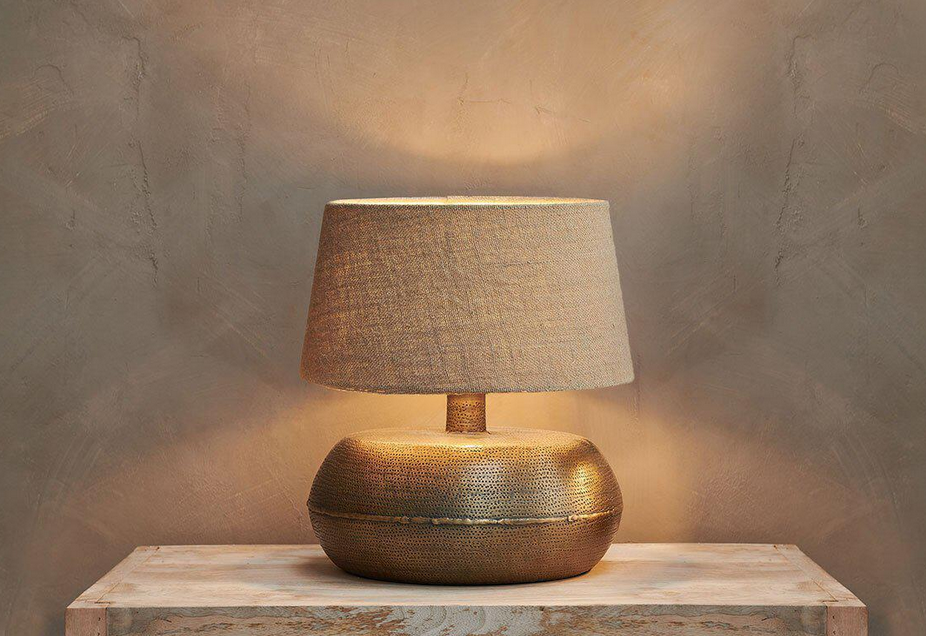
Please click on the image to view product
Table lamps with subtle shades can help create a calm, relaxed mood, while also adding gentle reflections on materials like glass or metal. These reflections help bounce light around the room, making the space feel brighter, especially when paired with low-energy bulbs.
Hidden spots behind books on shelving or in alcoves can really help create the illusion of extra space and depth, while also giving the room a different atmosphere depending on whether it’s day or night. If you’re highlighting artwork, make sure you use non-reflective glass to avoid glare, and choose bulbs that are suitable so the artwork is properly lit without being damaged or washed out . This will really make your artwork stand out and draw attention as a focal point in the room.
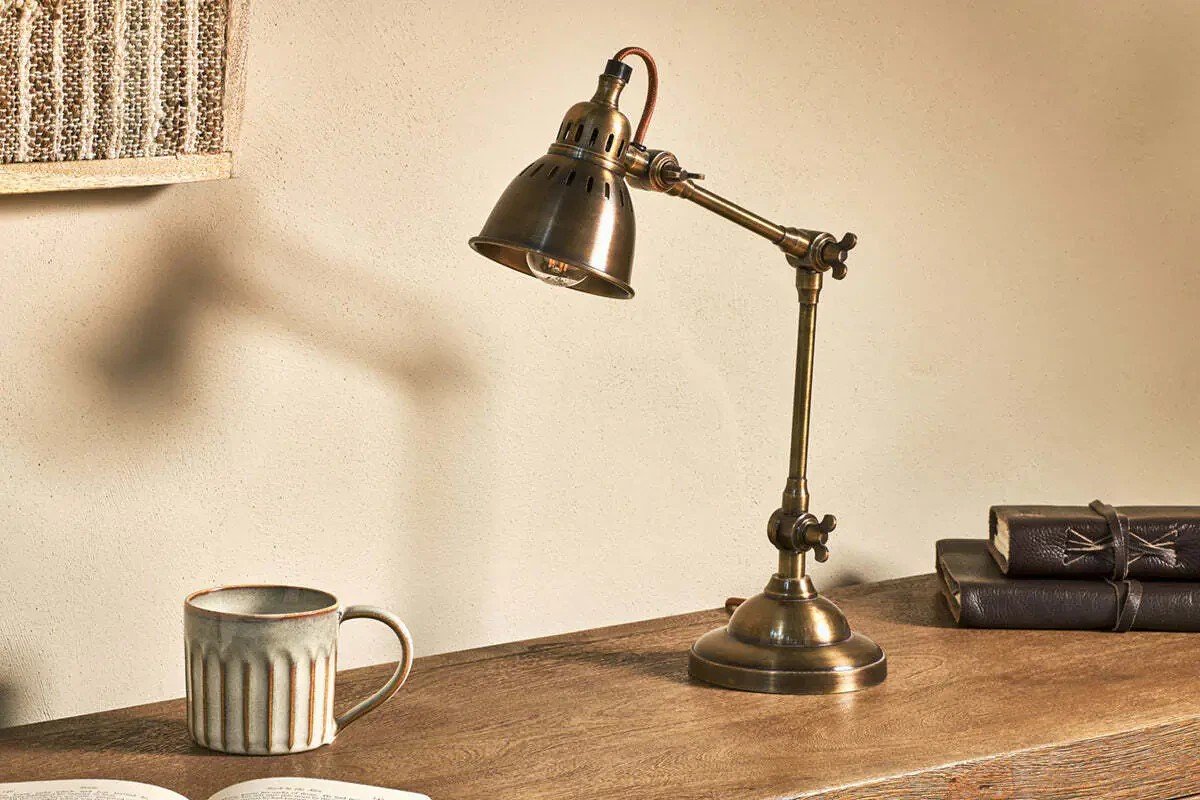
Please click on the image to view productTask Lighting
Task lighting provides focused illumination for activities such as reading, working at a computer, sewing, drawing, cooking and hobbies. Unlike general room lighting, it directs light exactly where it’s needed, improving visibility while helping to reduce shadows, glare and eye strain.
Tips for Choosing the Right Task Lighting
Choose the right brightness. Rather than focusing on wattage, look at lumens. For most reading and desk tasks, aim for around 400-800 lumens. More detailed activities, such as sewing or craft work, may benefit from a brighter or dimmable light.
Create comfortable contrast. Your task light should be brighter than the surrounding room lighting, but not so bright that it causes glare. A balanced lighting scheme is more comfortable for your eyes.
Select an adjustable lamp. Clip-on, desk and flexible-arm lamps allow you to direct light exactly where you need it, making them ideal for home offices, reading nooks, bedside tables and hobby areas.
Position your light correctly. Place the light above or slightly to one side of your work to minimise shadows. If you’re right-handed, position the light on your left; if you’re left-handed, position it on your right. Adjust the height and angle to suit the task for greater comfort.
Choose the right temperature.
Warm White (2700-3000K): Creates a cosy, relaxing atmosphere for bedrooms, living rooms and reading spaces.
Neutral White (3000-4000K): Provides a clean, natural light that’s ideal for kitchens, home offices and other task-focused areas.
Did you know?
Lumens measure brightness, while watts measure energy use. When choosing modern LED lighting, always compare lumens rather than watts to find the right level of light.
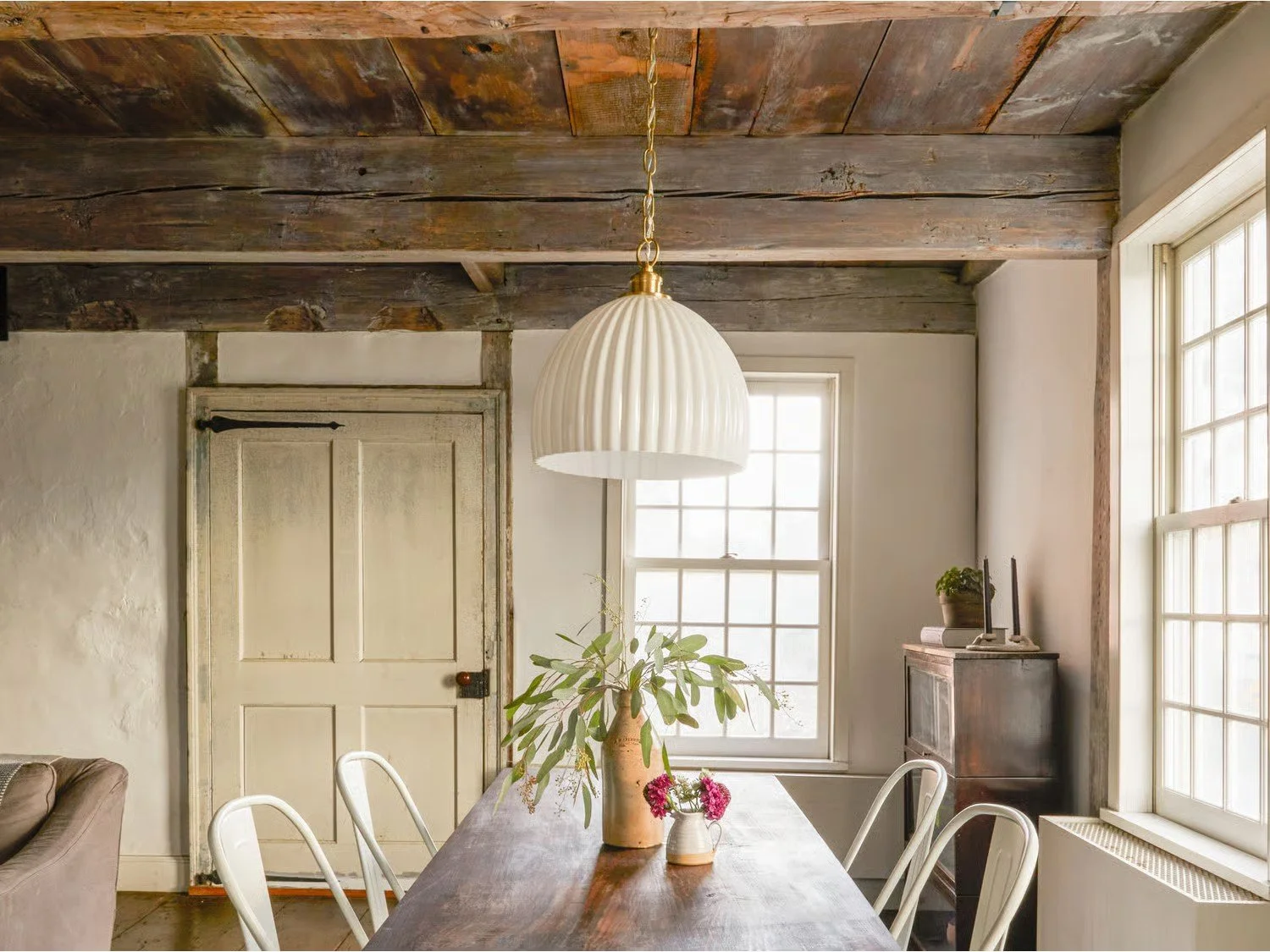
Please click on the image to view product
Primary Lighting
Primary lighting is the main source of light in a room, usually coming from ceiling fixtures. It provides overall illumination so the space feels bright, functional, and balanced.
A central light such as a chandelier or pendant can act both a practical light source and a design feature. It should sit at the right height so it becomes a focal point without obstructing views or overwhelming the space.
Don’t always rely on one ceiling light. A great look comes with layering all your lighting whereby you mix lighting such as floor lamps, table lamps and wall lights along with your ceiling light.
Get the scale right. In living spaces, your fixture should feel proportionate to the room size and ceiling height. Over a dining table, it should be roughly half to two thirds of the width of the table.
Alternative ceiling spotlights can be used to create an even spread of light across the room. These work really well in spaces that are used frequently, such as kitchens or living areas, where consistent, functional lighting is important.
Think about the distribution, not just the fixture.
Go LED (always) which use less energy, last longer and often come with dimmable fixings.
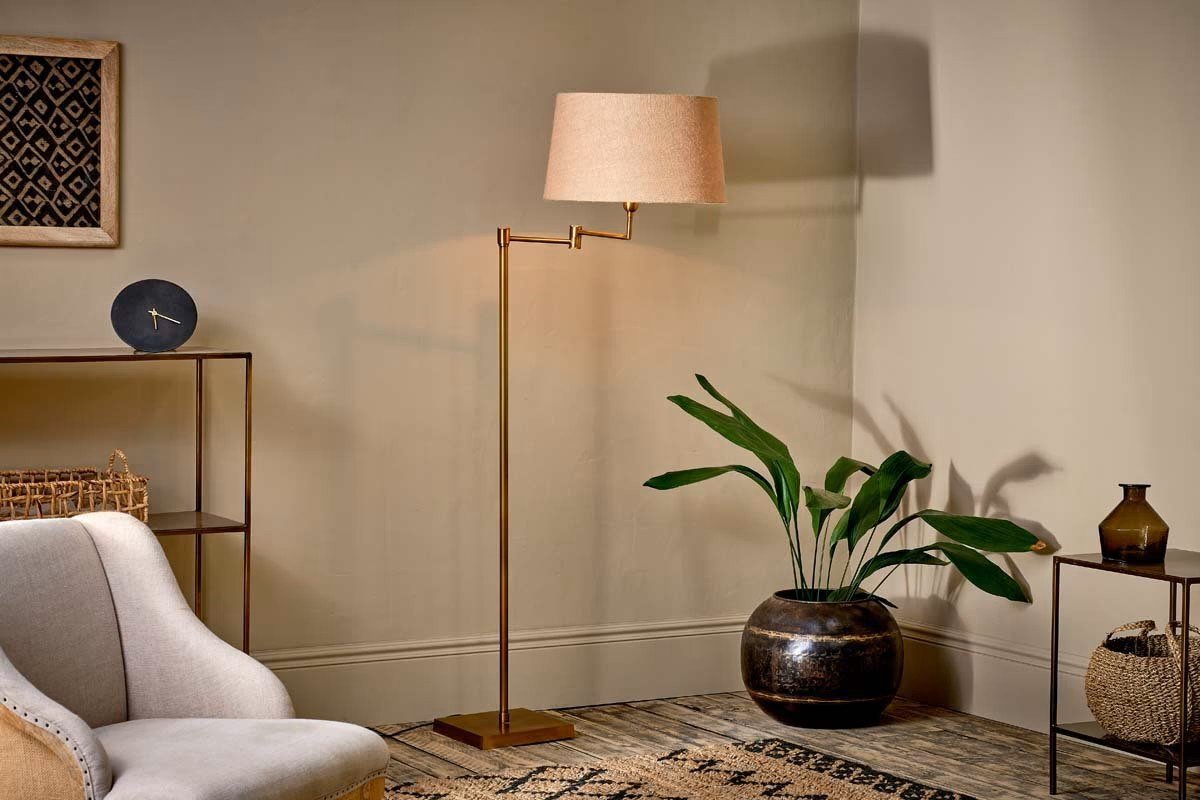
Please click on the image to view product
Secondary Lighting
Wall lights, floor lamps and table lamps are what really help shift the mood of a space, working alongside the main lighting. These create a softer cozy look instead of functional. One of the fastest ways to create a layered look by adding lamps and therefore, creating depth and warmth. Using warm bulbs (around 2700K or lower) will keep the room from not looking bright and clinical.
Other tricks such as putting lighting in all four corners of the room to give greater depth and an illusion of being more spacious or putting soft lighting at the end of a long hallway to pull your eye to that area rather than concentrating on the long narrow hall.
Use warm bulbs rather than cool white. It will instantly make a space feel more relaxed and inviting.
Look at where the light falls. Lighting a corner or perhaps a piece of artwork or a textured wall will add interest without having to purchase more items.
Try to keep lighting at different heights around the room. This will add depth and stops everything feeling flat.
Put lamps on dimmers (where you can) so you can easily shift the mood from day to evening.
Having an oversized lamp in a bigger room will act as a feature as well as a light source.
Shades matter by using fabric or frosted shades diffusing light and removing any sharp glare
Treat your lighting like part of your décor. Choose fixtures with texture such as ceramic bases, wood, linen shades so they contribute visually even when they are switched off.