

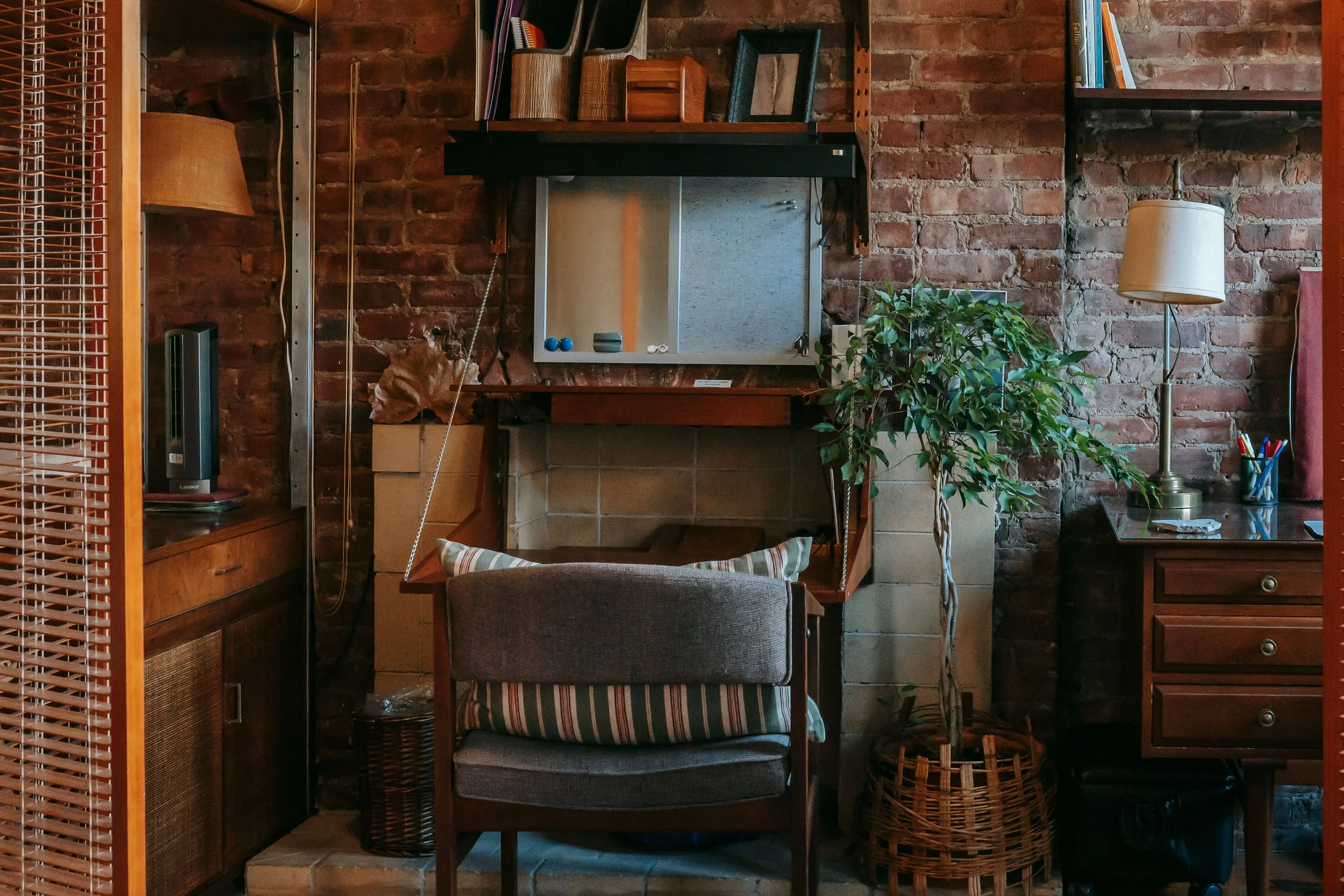
Setting Up a Home Office
Setting up a home office is about more than simply finding somewhere to put a desk. The right workspace should be comfortable, practical and inspiring, while fitting naturally into the character of your home. Discover advice on choosing an ergonomic desk and chair, positioning your workspace, maximising natural and task lighting, creating effective storage and keeping technology organised. Explore sustainable and ethically sourced furniture, natural materials and thoughtful accessories that combine functionality with timeless coastal and country style. Whether you’re creating a dedicated study or adapting a small corner of your home, thoughtful planning can turn any space into a productive and enjoyable place to work.
Before you set up, ask yourself:
What work will I be doing here?
Where can I work with the fewest distractions?
When am I most productive?
What do I already have that I can use?
What will make this space comfortable for long work sessions?
What boundaries will help me switch off?
How can I make this setup work long term?
If you can’t picture yourself working here for a full day, your setup isn’t ready yet.
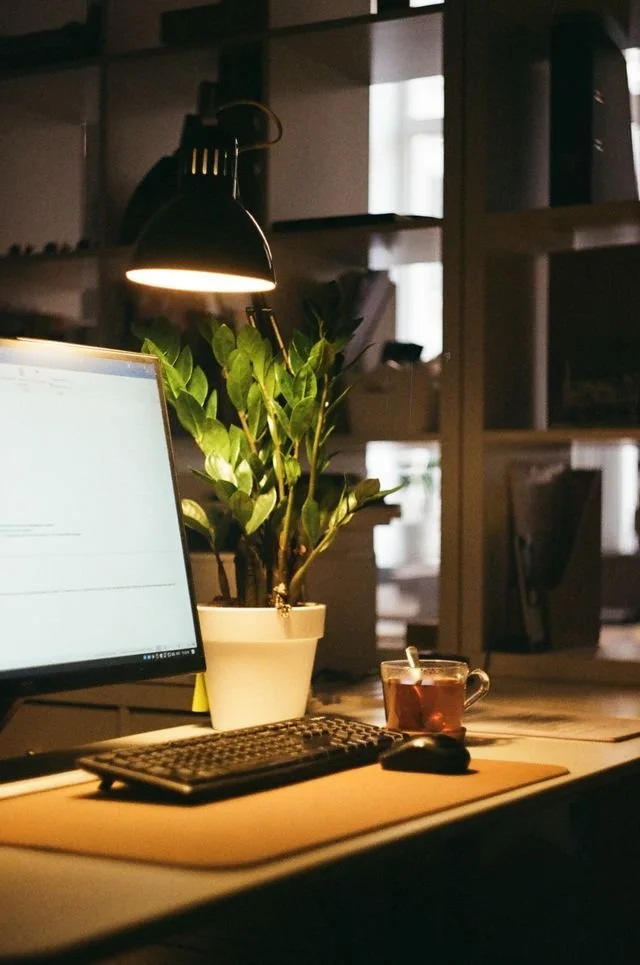
Start with location, not furniture
Before buying anything, choose where you’ll work.
Choose a place you can use consistently. Familiarity helps your brain associate the space with focused work.
Prioritise quiet over convenience. A slightly less convenient location is often better if it has fewer interruptions.
Consider your background for video calls. A clean professional backdrop saves time and reduces distractions.
Choose a location with reliable power and internet access. Avoid building your workspace around extension leads or weak Wi-Fi. Ensure good ventilation and a comfortable temperature. It’s difficult to do your best thinking when you’re too hot, cold, or in stale air.
Face the room rather than a wall if it helps you feel engaged. Position your desk intentionally.
If you can’t dedicate a full room, use subtle boundaries like a rug, shelf, room divider, or even lighting to define the space.
Choose a place you can return to every day. Consistency builds routine, and routine builds focus.
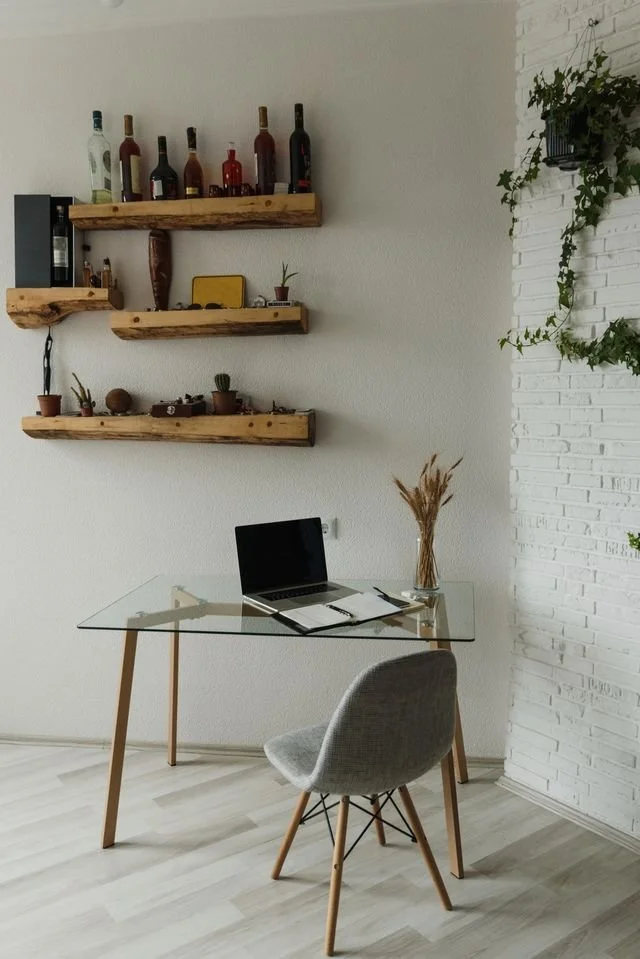
Control distractions deliberately
Keep your desk visually simple (clutter = mental noise)
Use headphones or background sound if needed
Let others in your household know your “do not disturb” times
Silence unnecessary notifications on your phone and computer while working
Close unrelated tabs and apps to reduce digital distractions
Position your workspace to minimise interruptions, such as facing away from busy areas if possible
Have a notepad nearby to capture distracting thoughts or to-dos without leaving your work
Intentional Space. Intentional Focus.
Create a start and end ritual
Discipline replaces the “commute”
Start ritual. Make coffee, open your laptop, review your tasks and identify your priority for the day.
Start at a consistent time. A predictable beginning helps create momentum and routine.
Dress for the role. Changing out of sleepwear can signal that the workday has begun.
Set an intention before starting. Decide what a successful day looks like before distractions take over.
Review tomorrow’s priorities before finishing. This creates a clean mental break and makes the next start easier.
End ritual. Shut down your computer, tidy your desk, clear away distractions, and prepare the space for tomorrow.
Physically leave the workspace when finished. Even a short walk or change of room helps mark the transition
A deliberate beginning creates focus. A deliberate ending creates freedom
Make the space pleasant, not sterile
Add a plant (this can improve the feel of the space and support well-being).
Add personal items (but keep them limited to avoid clutter).
Use good lighting (combine warm ambient with focused task lighting).
Choose comfortable colours (calm tones can help create a focused environment).
Add a small touch of comfort (such as a favourite object, artwork, or quality notebook).
Keep it inspiring (your workspace should make you want to return).
Create a space that feels inviting while still supporting focus.
Deciding on your Equipment
Inefficient equipment creates friction, wastes time, and can become an expensive problem.
Separate your work phone line from your personal line (maintain a clear boundary between work and home).
Choose wireless options where possible (especially for laptops, giving you flexibility when presenting or changing locations).
Select quiet equipment (printers, copiers, and other devices should not interrupt your focus).
Manage cables properly (secure wires, remove trip hazards, and keep your workspace organised).
Plan enough power outlets (avoid overloading extension leads, which can create safety risks).
Invest in reliability over features (equipment that works consistently saves more time than equipment full of unnecessary extras).
Choose equipment that fits your workflow (your tools should support the way you work, not force you to adapt around them).
Keep backups in place (External storage or cloud backups protect your work if equipment fails).
Protect your internet connection (a reliable connection is essential for remote work, video calls, and clou-based tasks).
Allow enough plug sockets (quality extension leads used correctly are fine, however, the main risk comes from overloading them or using unsuitable/poor quality equipment)
The right equipment reduces friction. the wrong equipment creates it
Did you know?
Lumens measure brightness, while watts measure energy use. When choosing modern LED lighting, always compare lumens rather than watts to find the right level of light.
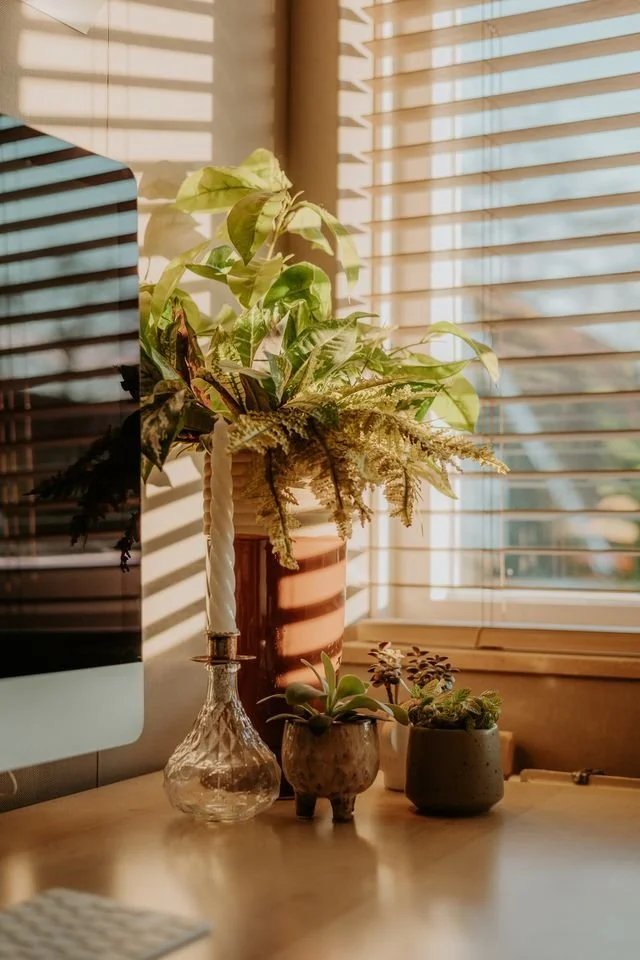
Organising & Functionality
Keep your items of furniture functional as well as being timeless so that they can be used their whole life time
Try and keep your items well organised and not too much clutter so practical storage is a must. This will reduce your stress in finding things more easily
Using a piece of furniture that has a dual purpose, eg. a table which also has storage capabilities creating more space
Use recycled paper or start sending your documents via email, then putting all your information onto memory sticks reducing your filing to an absolute minimum
Your home office in particular will promote efficiency and your well-being to a high if you follow these steps
Reminders
PAINTS - choose toxin-free
FABRICS - choose recycled or up cycled
ELECTRICITY - switch off at mains when not in use (do not put on standby)
E-WASTE - recycle old electronics responsibly through certified recycling schemes
AIR FRESHENERS - use toxin-free, natural products and avoid aerosol sprays containing chemicals (avoid strong synthetic fragrances in small office spaces)
CLEANING PRODUCTS - use toxin-free (Eco friendly products available)
LIGHTING - use LED low-energy bulbs and maximise natural daylight
FURNITURE - recycled or use from sustainable sources. If purchasing new furniture, select high-quality, long-lasting items from sustainable or certified sources
MATERIALS - plastics, metals, wood – recycled or from sustainable sources
WASTE - reduce, reuse, recycle, and avoid unnecessary packaging
RECHARGEABLE ITEMS - use rechargeable batteries for keyboards, mice, and office accessories
PACKAGING - reduce unnecessary packaging and reuse or recycle materials wherever possible
STORAGE - use durable recycled storage solutions to reduce waste and extend product lifespan
DIGITAL STORAGE - use cloud storage and digital filing systems to reduce paper use and physical storage needs
SECOND-HAND ITEMS - consider refurbished computers and pre-owned furniture before buying new
COMPUTERS - store your information on memory sticks reducing paper waste and files
WATER USAGE - use refillable water bottles and avoid single-use plastics
PRINTERS - print double-sided only when necessary and use recycled paper cartridges where possible
VENTILATION - improve natural airflow and use indoor plants to help maintain air quality
INSULATION - ensure windows and doors are properly sealed to reduce heat loss and energy consumption
TRANSPORT - if travelling to meeting, consider walking, cycling, public transport, or remote meetings where suitable
NOISE REDUCTION - use soft furnishings or recycled acoustic panels to create a quieter and more comfortable workspace
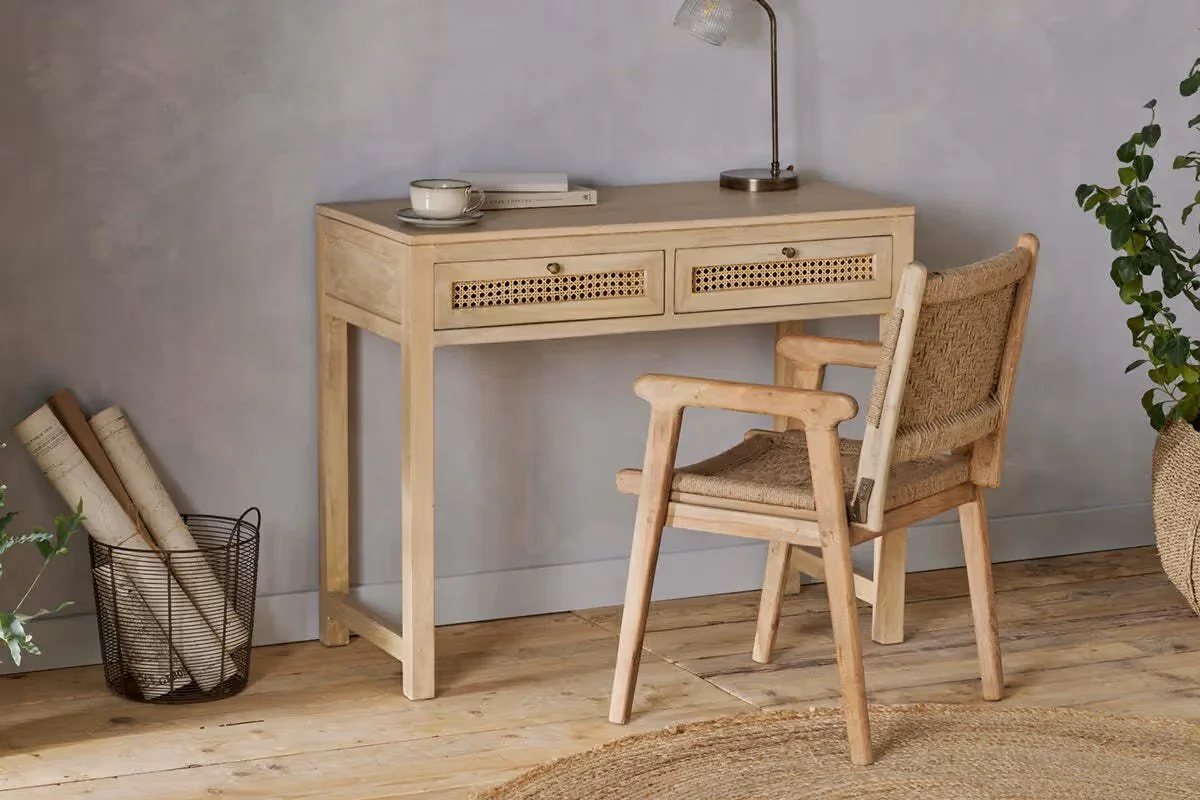
Please click on the image to view product
Suggestions for office furniture/items