

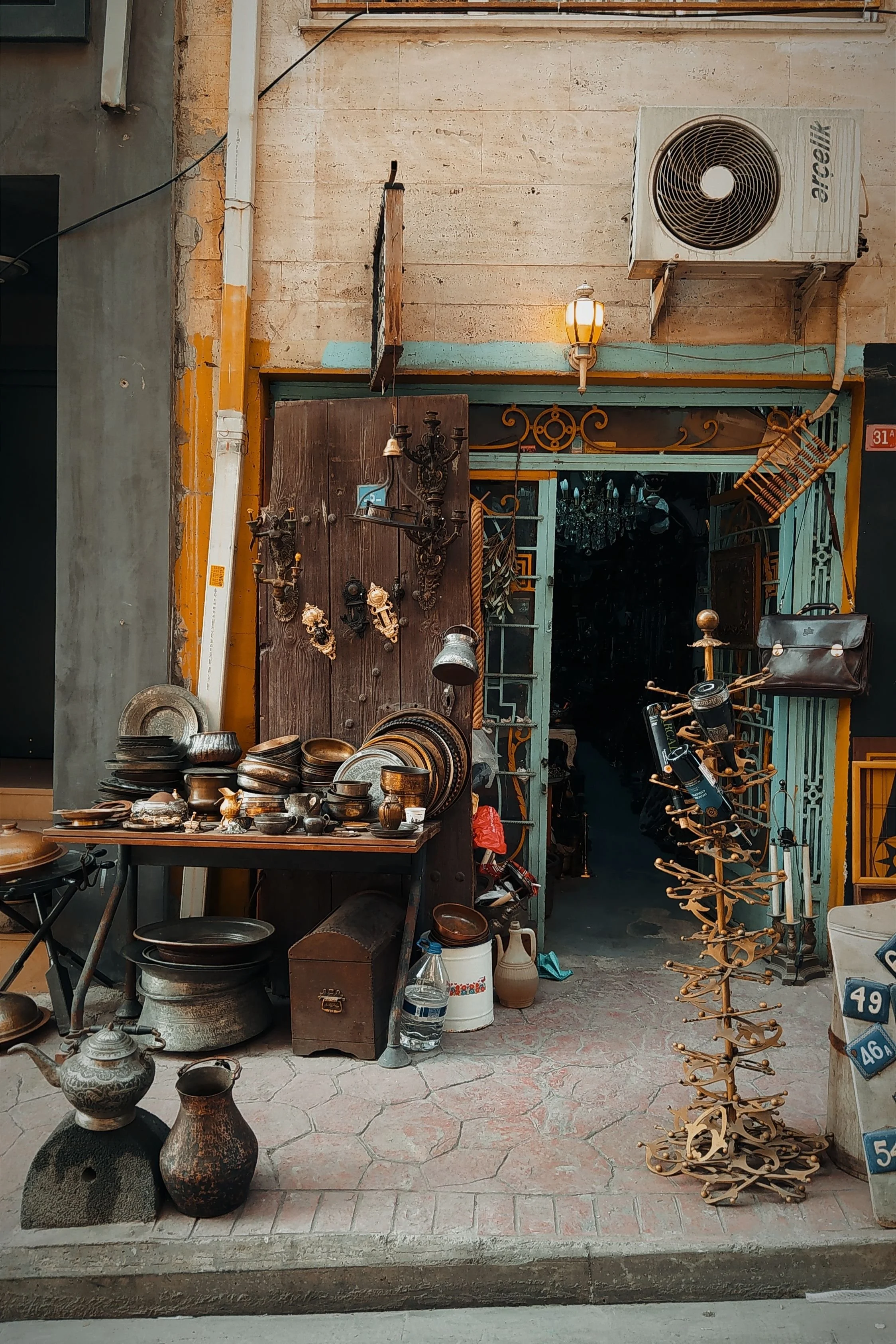
Thrifting
Thrifting & Thriving
In 2024, the British Heart Foundation reported that sixty-two per cent of the nation throw away homeware items in good enough condition to donate to charity. It also found that many of us don’t think about the environment impact of homeware in the same way we do fashion.
It is something worth changing.
Choosing pre-loved furniture, timeless pieces, and sustainably sourced homeware not only reduces waste but often results in a home filled with character, quality, and individuality.
The Fast Furniture Cycle
Interior trends move faster than ever.
As styles change, it’s easy to believe our once-loved pieces are suddenly outdated. Before long, perfectly usable furniture is replaced simply because it no longer fits the latest trend.
This creates a cycle of unnecessary consumption.
Many mass produced items are designed to meet a price point and a current aesthetic rather than stand the test of time. Materials such as thin MDF veneers and lower-grade textiles rarely age as gracefully as solid wood, natural fibres, or well-crafted pieces.
Finding Beauty in the Overlooked
Growing up, I was always fascinated by interior design. By my twenties, weekends often meant wandering through vintage bric-a brac shops and antique centres searching for overlooked treasures waiting for a second chance. Over time, I realised it wasn’t simply about finding a bargain but It was about individuality.
I loved creating spaces that weren’t shaped by passing trends, but by history, craftsmanship, and beauty. Every piece seemed to have a story, and I often found myself wondering where it had come from and who had loved it before. That curiosity became the foundation of my passion for interiors.
Today, that journey has evolved into a new chapter with Fisher’s Creek.
More than Just Thrifting
Thrifting has always been much more than a hobby for me, but now a way of life.
What I often found missing in many contemporary interiors wasn’t style, but emotional texture. A beautifully designed room can still feel incomplete if every piece has arrived from the same showroom. It’s the layers of history craftsmanship and individuality that give a home its soul.
Of course, sustainability runs naturally through this way of thinking.
If a piece has already stood the test of time for decades, or even centuries, why shouldn’t it continue its journey? I don’t see choosing pre-loved furniture as a simply reducing the need for new materials. I see it as honouring a beautiful object by allowing its story to continue.
Whenever I discover a new piece, my mind always wanders.
Who owned it before? Where did it sit? Who crafted it? What moments has it witnessed? What stories could it tell?
The answers are rarely known, yet those questions alone bring an emotional richness that no brand-new item can replicate.
There is also something wonderfully exciting about the unpredictability of thrifting. Often the best finds are the ones you weren’t looking for. You simply connect with them. It’s an instinct that’s difficult to explain but impossible to ignore.
Some of my favourite discoveries didn’t look particularly special when I first found them. They needed time, attention and a little care. With restoration and patience, they revealed their beauty once again, ready to begin a new chapter in another home.
To me, that’s the real joy of thrifting.
It’s not just about finding furniture or decorative pieces. It’s about rescuing something that still has value, appreciating the craftsmanship behind it, and giving it the opportunity to be loved and enjoyed all over again.
Learning to wait
Designing with thrifted and second-hand pieces requires patience.
Instead of forcing a solution or buying something simply to fill a space, it’s about waiting for the right piece to come along. For me, that approach has always felt richer, more personal, and ultimately far more rewarding.
A room begins to take shape naturally.
There’s no need to rush. Allow the pace to evolve and learn to recognise when something is enough. When you build a room with intention rather than urgency, it slowly unfolds, revealing its own character and bringing the space to life.
If you’re just beginning your thrifting journey, start by looking for pieces that feel sculptural, simply and full of character.
Rather than forcing solely on what something does, pay attention to how it makes you feel.
You don’t need a vision of perfection.
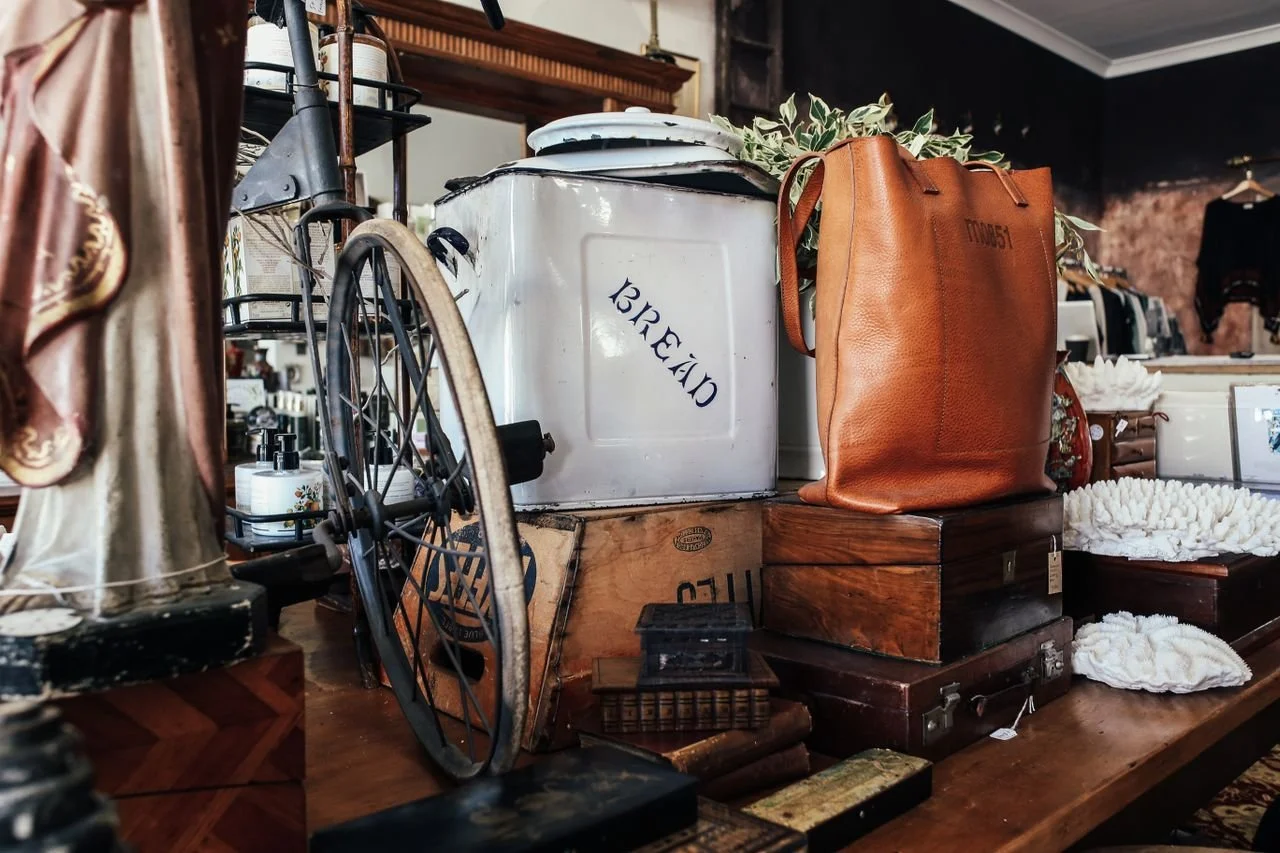
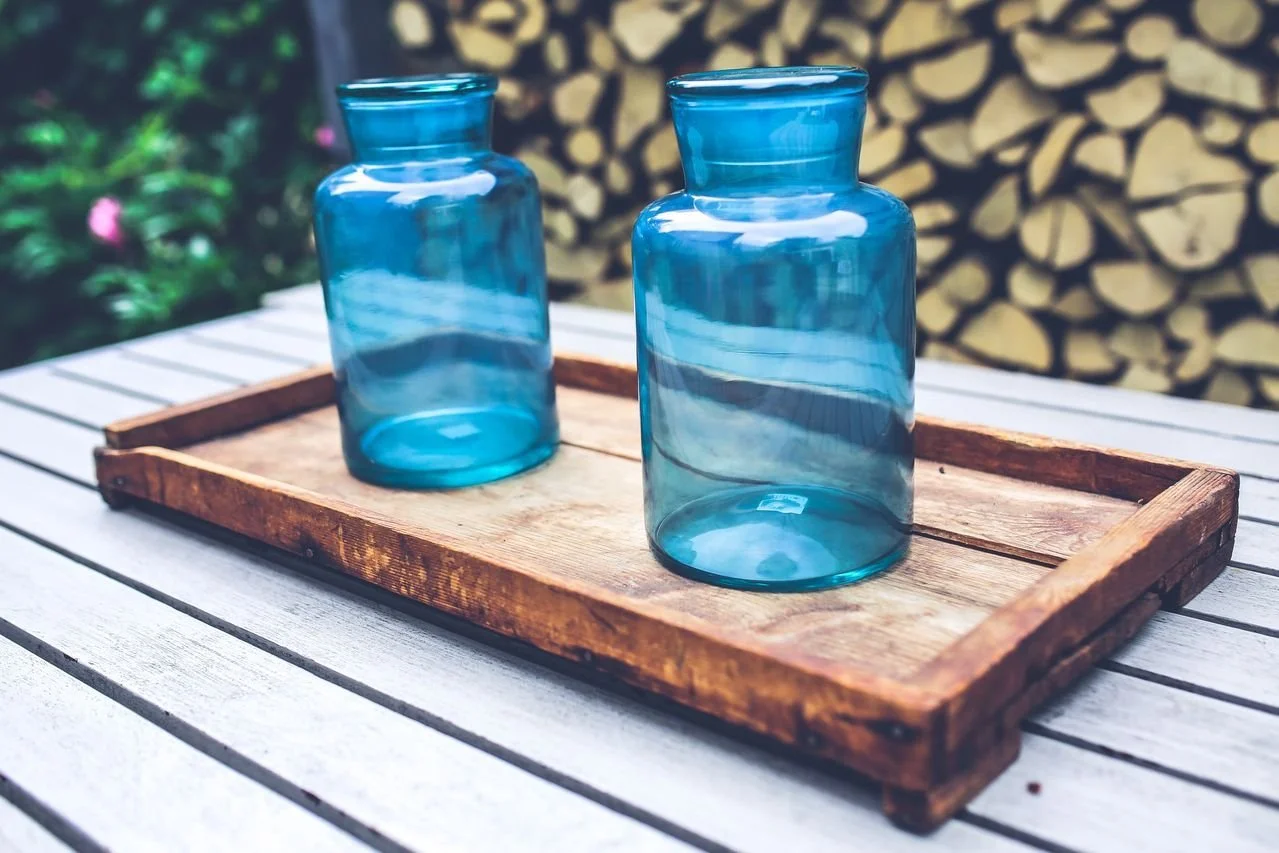
Choose the vase with the uneven glaze. the chair with a beautifully worn patina. the wooden bowl softened by years of use. More often than not, it’s these little imperfections that make an object truly unique.
Over time, something changes.
Your eye becomes more instinctive. You stop searching for perfection and begin recognising character instead.
And that’s when thrifting becomes more than shopping.
It becomes a way of seeing.
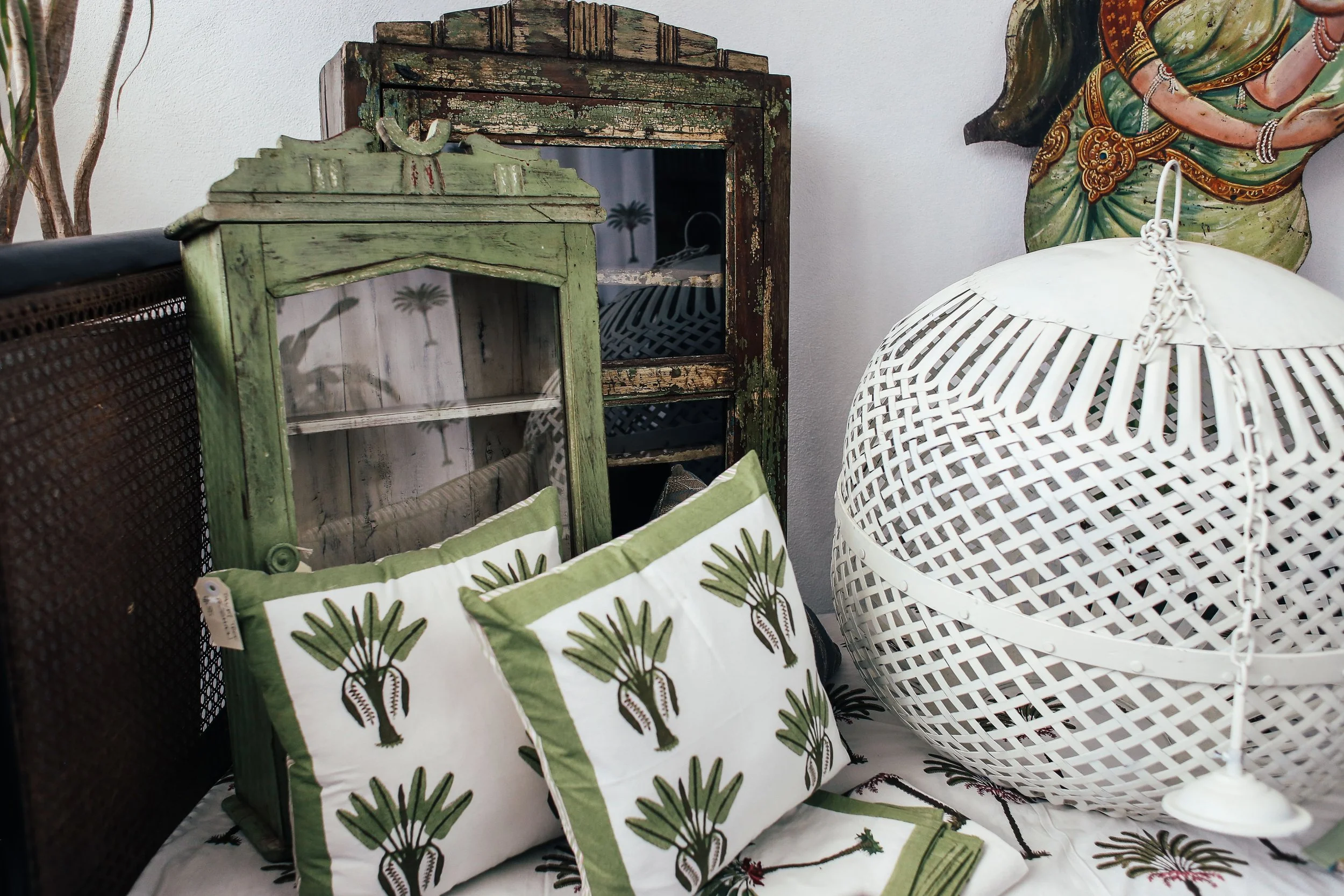
My Top Tips for Thrifting:
Start small. You don’t need to transform your entire home overnight.
Buy fewer. Buy more meaningful pieces. Choose items you’ll love and live with for years.
Mix old with new. Vintage and second-hand finds sit beautifully alongside contemporary pieces.
Choose what resonates with you. Don’t follow trends. Create a home that reflects your personality.
Embrace imperfections. Signs of age, an uneven glaze or a worn patina are often what make a piece truly special.
Let your home evolve. The most beautiful interiors feel collected over time, not bought in a single shopping trip.
Trust your curiosity. If an item captures your imagination or feels like it has a story o tell. it’s probably worth bringing home
Keep beautiful things in circulation. Giving pre-loved pieces a new home helps reduce waste while preserving craftsmanship.
Be patient. The very best finds rarely appear when you are looking for them.
Most importantly, have fun. Curiosity, exploration and the unexpected often lead to the most memorable discoveries.
Enjoy the process of thrifting, and don’t worry if something isn’t quite right, you can always donate it back to the charity shop, however, when you do get it right, creativity comes into place and instantly turns into a gradual exciting discovery which then turns a home into something that evolves naturally rather than assembling everything all at once. A curation of past stories.