
Space Planning and Layout
Space Planning & Layout
A well-planned garden begins with a thoughtful layout. Start by dividing the space into zones based on how you want to use it. You might include an area for relaxing and entertaining, a lawn or planting zone, and a practical space for storage.
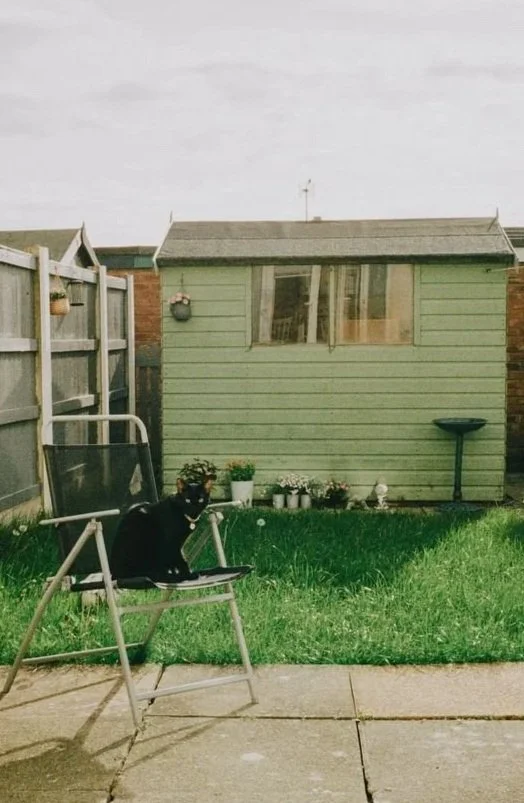
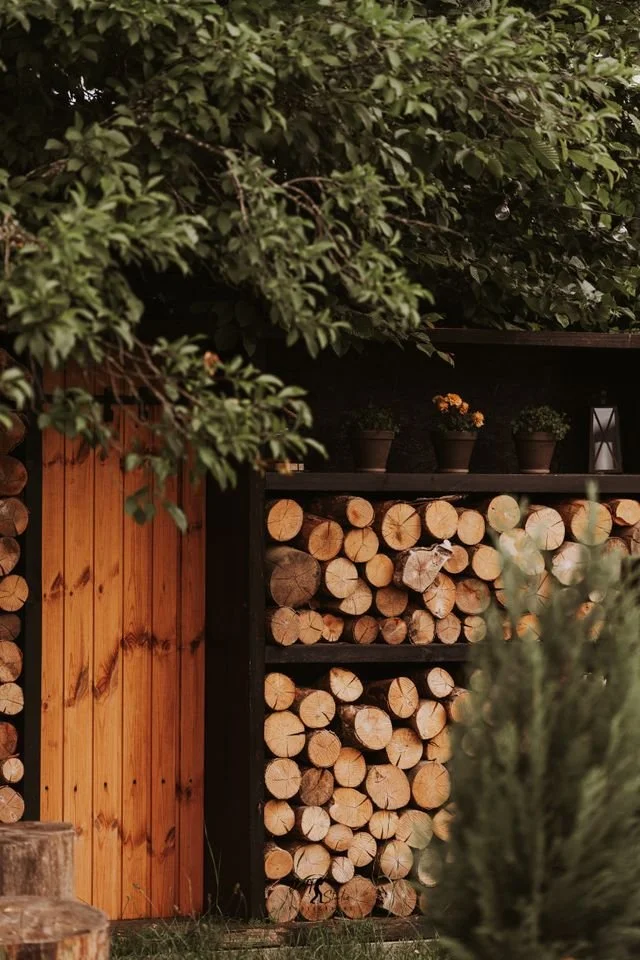
If you need to accommodate bikes, a lawnmower, gardening tools, or outdoor furniture, it’s worth planning a dedicated storage solution from the outset. Whether it’s a traditional shed, a stylish storage bench, or a discreet unit tucked behind planting, having a designated place for everyday essentials helps keep pathways clear and the garden feeling organised rather than cluttered.
By giving each area a clear purpose, your garden will feel more spacious, functional, and enjoyable to use throughout the year.
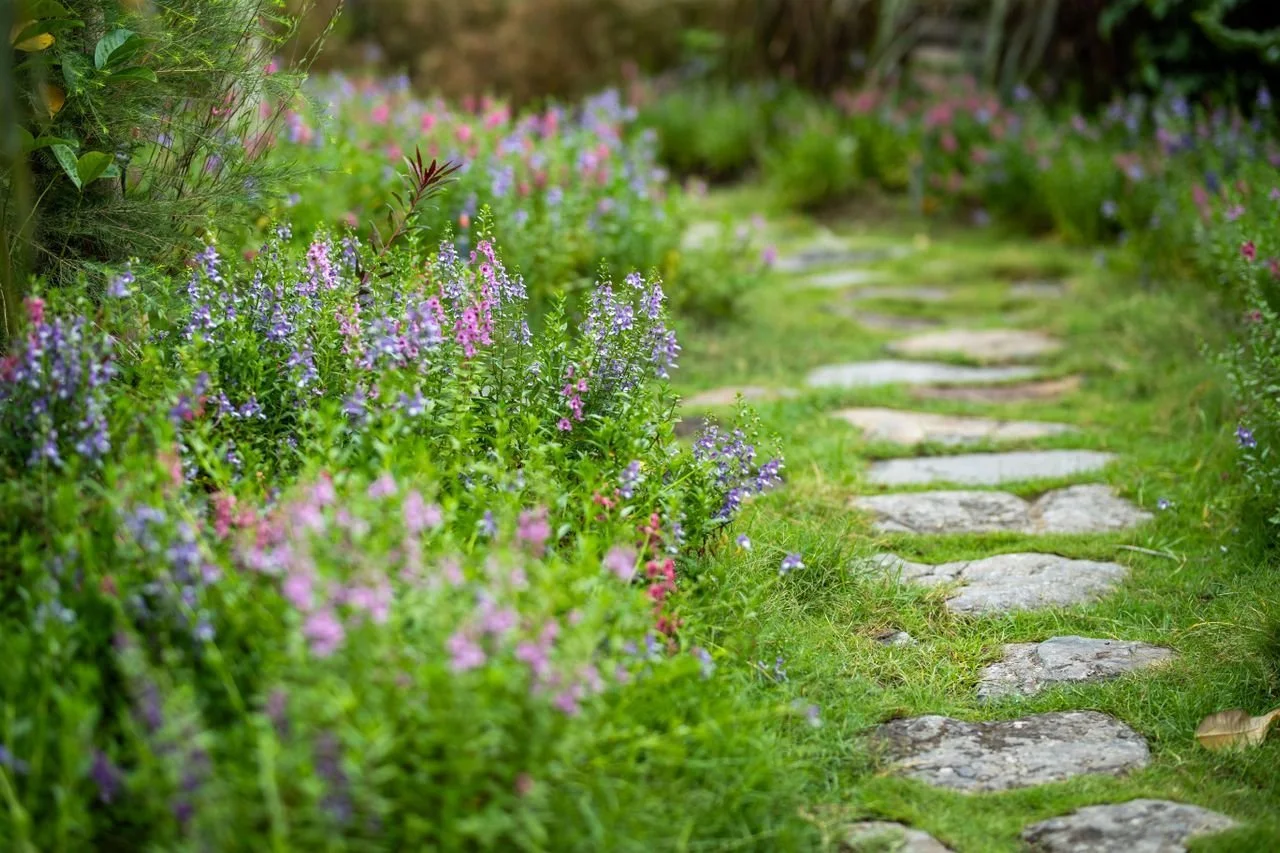
It’s also worth considering how people will move through the garden. Well-planned pathways should guide you naturally from one area to another, creating an easy flow between the house, seating areas, planting, and storage.
Think about the width of your paths too. Narrow walkways can feel restrictive, particularly when moving garden equipment, wheelbarrows, or outdoor furniture. Allowing a little extra space will make your garden feel more comfortable and practical to use.
A useful starting point is to sketch a simple plan, even if it’s only a rough outline. Position the larger elements first, such as patios, sheds summer houses, or raised beds, before adding softer features like planting. This approach helps create a balanced layout and avoids awkward unused spaces.
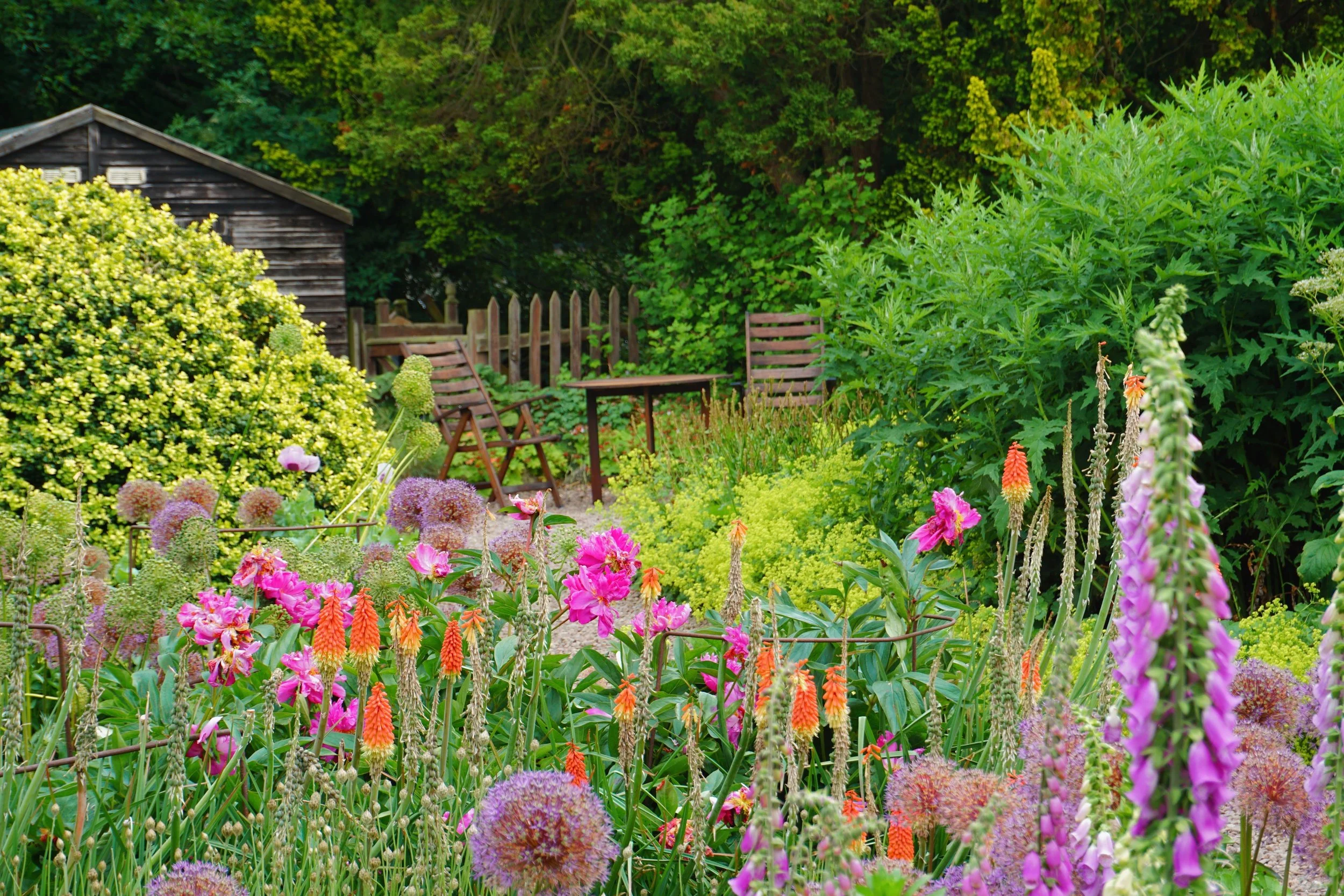
Whether you choose a beautiful summer house or a charming garden shed, think about how it will sit within the overall design. It may become a striking focal point, framed by planting and pathways, or you may prefer to tuck it discreetly behind trees, hedging, or taller shrubs to create a more natural feel.
Making a list of your larger garden features before you begin can help shape the overall layout. As you plan, consider how each area connects to the next, ensuring there is a natural flow and easy access throughout the garden.
It’s also important to consider footfall. Areas leading to a side gate, back door, or patio are naturally used more frequently. Ask yourself whether the ground will withstand regular use or whether it would benefit from paving, gravel, stepping stones , or another form of reinforcement.
Key Points to Consider When Planning Your Garden
Hide everyday storage. Position practical items such as tools, bins, children’s toys, and bikes out of sight wherever possible to maintain a calm, uncluttered appearance.
Follow the sun. Observe how light moves across your garden throughout the day and position seating, dining areas, or a summer house where they’ll enjoy the ideal balance of sunshine and shade.
Think about privacy. Position seating where you feel comfortable and sheltered. Screening, hedging, decorative panels, or carefully placed planting can provide privacy without making the space feel enclosed.
Create distinct zones. Even the smallest gardens benefit from clearly defined areas for relaxing, dining, playing, or planting. Dividing the space into zones creates structure and makes the garden feel larger and more purposeful.
Plan your planting early. Use planting to frame views, soften hard landscaping, and guide the eye through the garden. Think about height, texture, layering, and year-round seasonal interest.
Consider shape and balance. Think about how plants, trees, furniture, and garden structures work together. repeating shapes, colours, and textures creates a more harmonious design.
Allow room for growth. Plants mature over time, so avoid overcrowding. In smaller gardens especially, choose varieties that won’t outgrow the space.
Balance beauty with practicality. A successful garden is not only attractive but also easy to use and maintain. Consider storage, access, and everyday functionality from the beginning.
Plan your lighting. Well-placed lighting transforms a garden after dark. Highlight pathways, seating areas, feature trees, sculptures, or architectural planting to create atmosphere and improve safety.
Think ahead to every season. Some trees and shrubs lose their leaves in autumn, while others require regular pruning or season care. Choosing the right mix of plants will keep maintenance manageable all year round.