

Shapes and Texture
Shapes and Texture
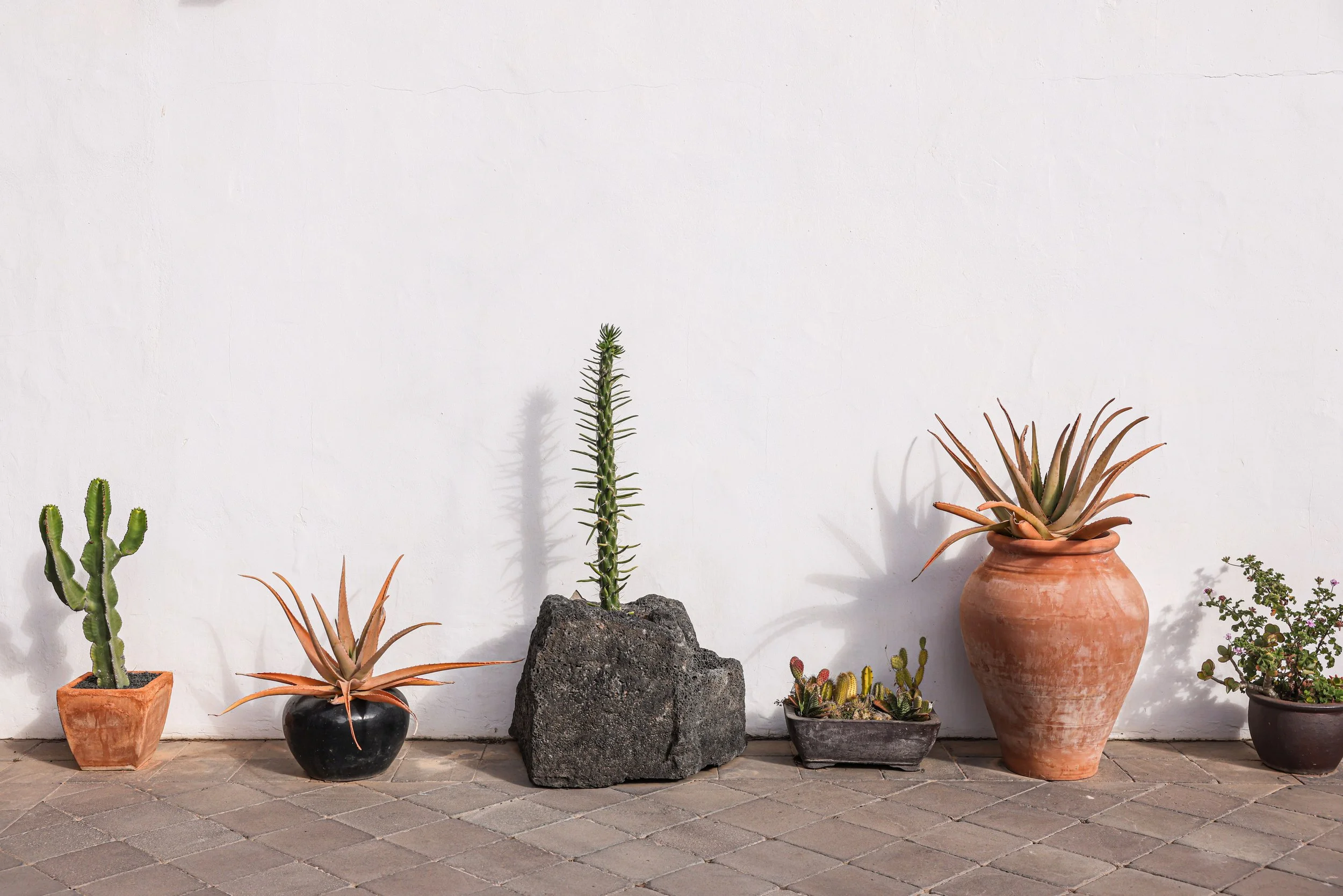
Shapes and texture play a vital role in creating depth, balance, and visual interest within a garden. Sculptural planting, carefully clipped hedging, or thoughtfully chosen architectural features add structure, while curved lines help soften the landscape and create a natural sense of movement and flow.
In smaller gardens especially, restraint is important. Limiting the number of bold shapes and competing design features helps prevent visual clutter, allowing each element to stand out while creating a calmer, more cohesive space.
Keep the design simple and open. Well-positioned focal points often have far greater impact than filling every corner. A single statement planter, sculpture, or specimen tree can be far more effective than several competing features.
Vertical elements are another valuable design tool. Obelisks, arches, pergolas, and climbing plants naturally draw the eye upwards, creating an increased sense of height and space. Likewise, introducing a carefully framed opening through a hedge or planting border can reveal a view beyond, encouraging the eye to travel through the garden and enhancing the feeling of depth.
Shapes
Shapes provide structure and guide the eye, from the natural curves of planting and landforms to the defined lines of paths, walls, and architectural features
Texture
Texture is just as important as shape. Combining broad-leaved plants with fine grasses, smooth paving with natural stone, or weathered timber with soft planting creates contrast and adds richness to the overall design. Texture adds another layer of sensory interest, creating richness through the contrast of rough bark, soft foliage, weathered stone, and flowing water.
Together, shadows, shapes, and textures transform outdoor environments into dynamic spaces that invite exploration, encourage connection with nature, and crate a lasting sense of place.
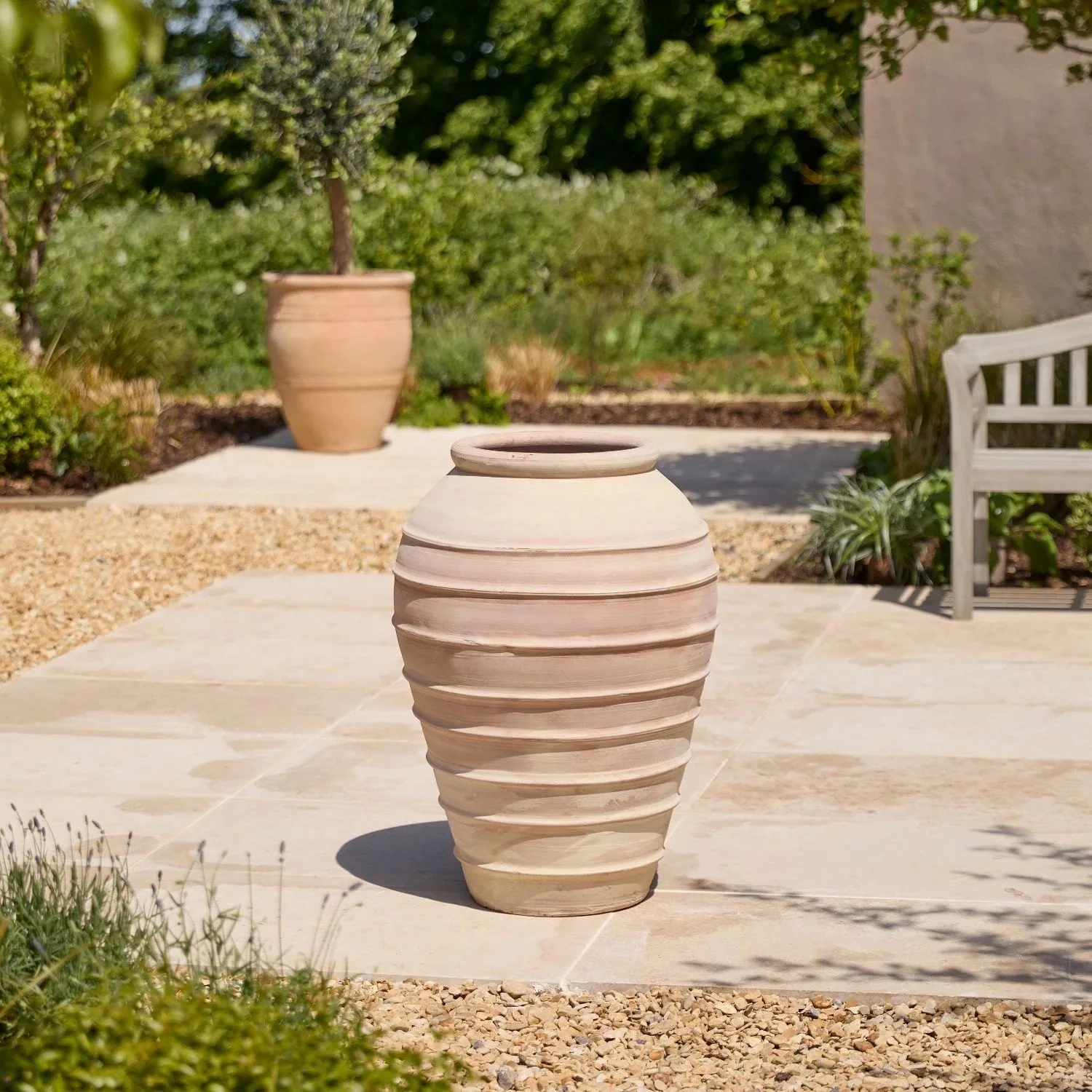
Please click on the image to view product
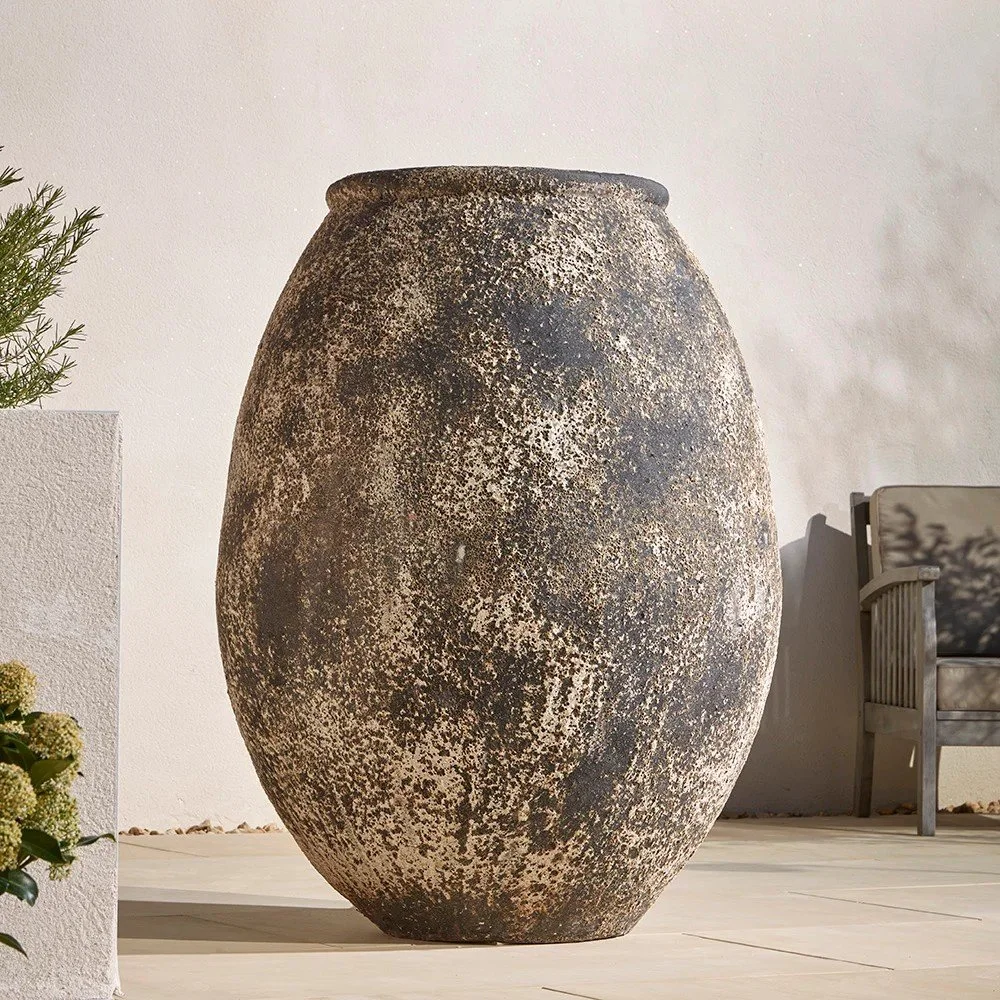
Please click on the image to view product