


Functionality
Functionality for your home and using the space to benefit your lifestyle
When buying your new home, one of the most important factors about planning is really thinking about the purpose of each room, the functionality and what you are trying to achieve in the given space. Some people over the years can make the mistake in planning their rooms in such a way that it does not flow according to their day to day activities and therefore, some rooms not being utilised.
Until someone lives in their home, it doesn’t always become apparent that they are not utilising the space in the most productive way for the purpose in which it was meant for. You may have already heard of Feng Shui (an ancient Chinese practice) which means energy, relating to interiors, can promote prosperity, good health and general well being, examining how the energy flows through either a building, or an outside space – keeping your home and garden in both balance and harmony.
Drawing a rough sketch of the floor plan will help.
When looking at your floor plan – Look at where you will be most of the time (typically – kitchen / dining area is the most popular) especially as this is a key area with friends and family in which not only cooking is done but socialising too.
This could be your first room to work with. Look at the plan and see how the adjoining rooms work and how they connect. Does the flow work well for you and your family or does it simply get in a muddle. You wouldn’t want to find you have set up a new home when someone has to walk through the dining area to reach the downstairs spare bedroom for example, when this really would suit being a study or playroom. If the dining room was in the centre of the house, then really there should be more than one door to access the other rooms.
Here are some useful tips in knowing how to plan out your rooms in your home and its’ functionality to suit your life.
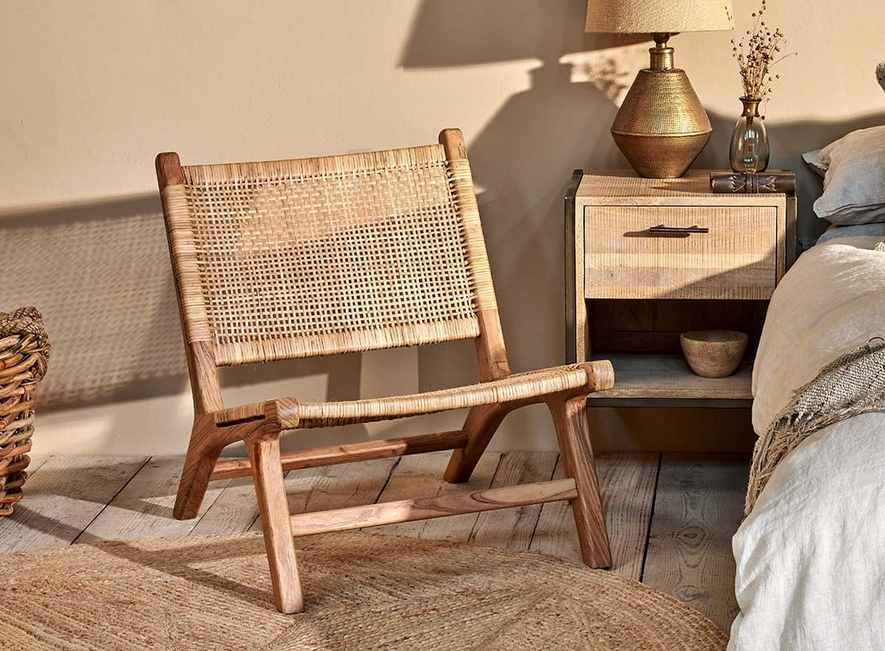
Have balance in your rooms, for example, not too much furniture in one area tightly squeezed making the room feel cramped.
If you have come from a larger house and are downsizing – then don’t be fooled thinking you have to put all your living room furniture in the living room. Items like a chair may still work well on a landing, dining room or even in a bedroom, so before you move in, plan where your furniture will go, and see if all fits or where else can you place them.
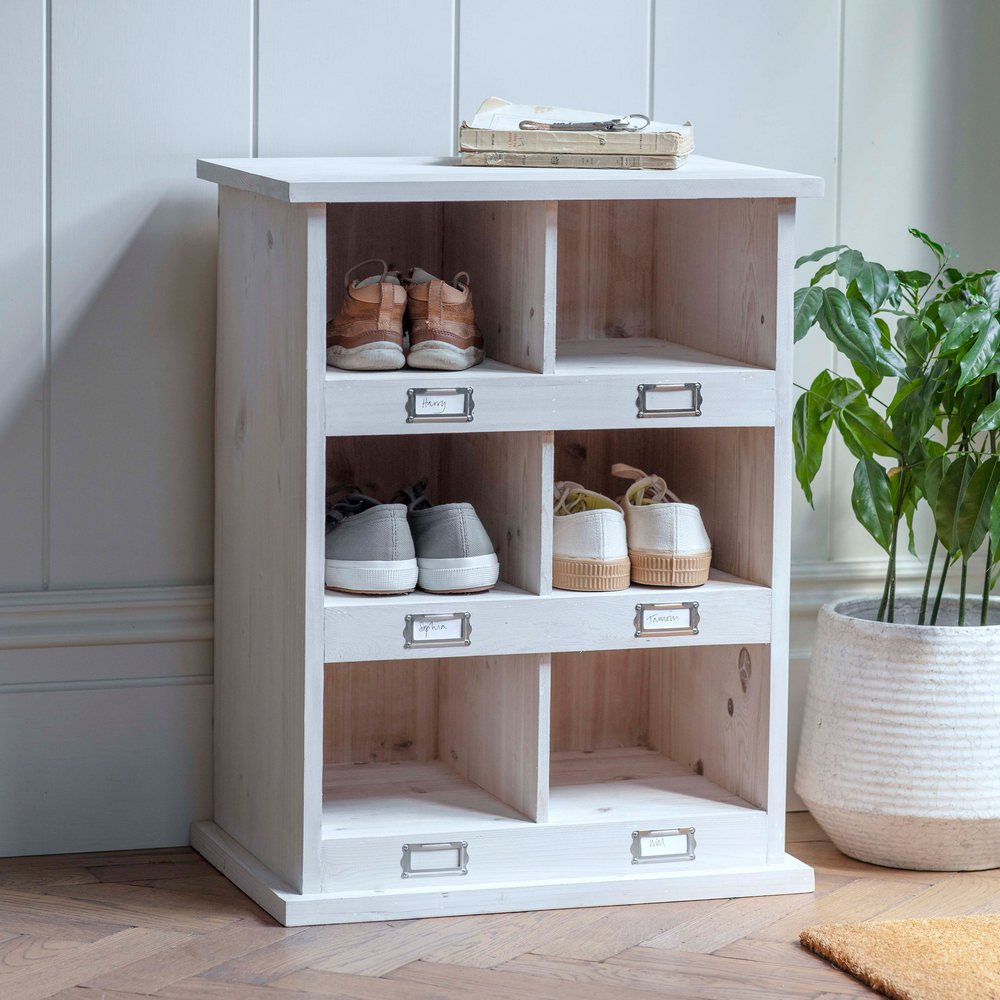
Your entrance is the first area you will enter into your new home, so there are no other rooms to get in the way of flow so why not make it inviting, light and welcoming. The function of this area in the house is typically a walk through, so try not to clutter with unnecessary items - make the use of any space hidden for storage for example, under stairs space for coats, shoes or practical storage whereby the item provides two purposes such as storage/seat or table.
If space is limited in the width of the hallway, then why not add some mirrors to create the illusion of space. If your property is small, then try and keep this area fresh and light, otherwise dark colours will only close the walls in. You could always add a little colour in the artwork or a splash of colour in the hallway rug. This is the room that will get the most traffic, so choose your flooring carefully.
If you have an opportunity of creating a dual purpose room, for example, an office / playroom or bedroom / office, then allow for neat storage solutions and adjust accordingly when in use. A great toy box for the children could change into a seated box, with a lovely cushion on, when all the toys have been put away and now in office mode or an office desk in a bedroom could double up as a dressing area when not in use as a working space.
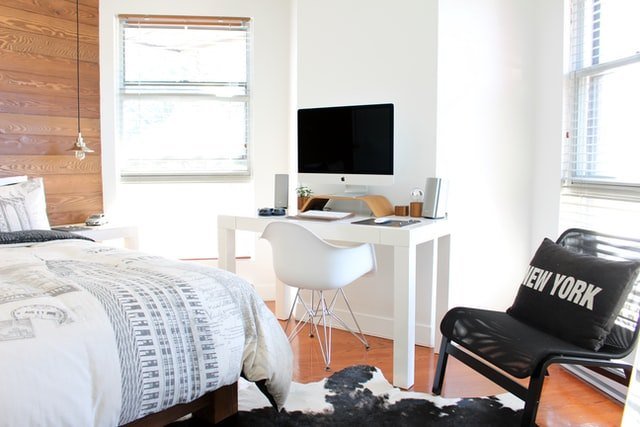
Try not to have a bedroom adjoining the living room or dining room. People generally do not want to see a bedroom whilst eating, as well as the person potentially in the bedroom, receiving little privacy.
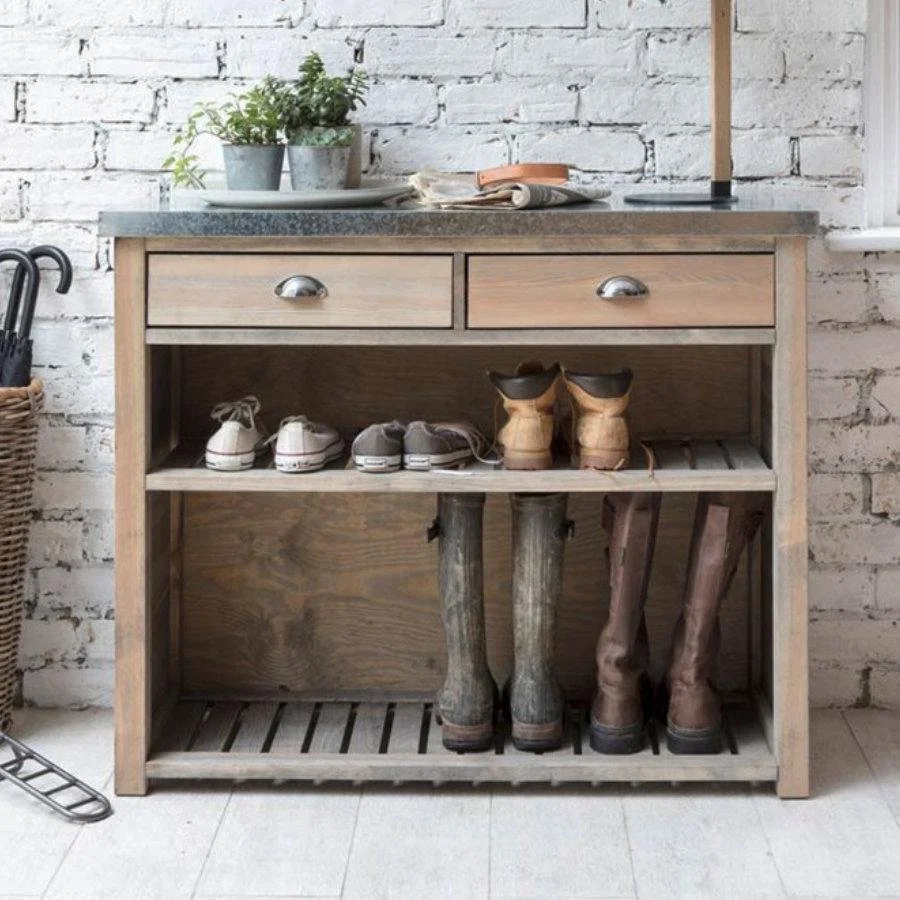
Storage in all rooms is vital for the room to function well. If you have too much clutter, then things get lost, forgotten or even damaged. A cluttered home is very hard to function well and you will end up feeling very disorganised, can be chaotic and most likely to never being able to find anything. Neat storage solutions not only looks great but can be cleverly used as a design feature and with multiple uses.
Work out your seating arrangements in the kitchen / dining room so the space really works for you and or your family. You may want to think about children doing their homework on the kitchen table whilst you are preparing food, therefore, where would you position the table so you can see them and will this area still work when you want to entertain?
If you have a large space to work within a room but used for dual purposes, then why not put a screen up to separate these areas and make the screen a real focal point or design feature.
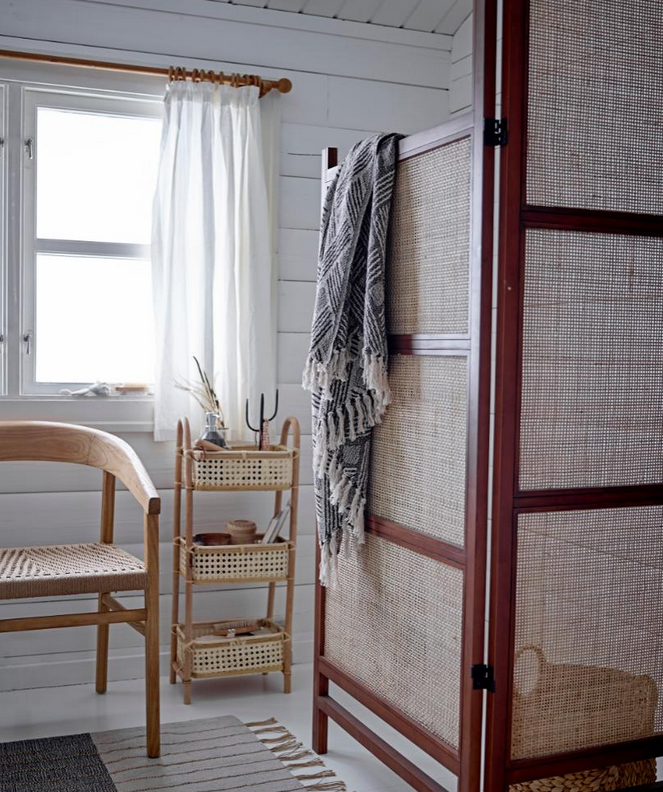
Bloomingville Sven Screen
Your kitchen will be a highly functional space. Therefore, think about where the appliances will be placed and the correct configuration. If you have a very large kitchen, then you do not want to position items to make it harder for you to access easily for example, walking too far for the dishwasher or the chopping area when you need to be closer to the sink or bin. If you have a small area to work with, then utilise the wall space, for example by putting storage above the kitchen cupboards, providing maximum storage. Smaller areas will have its limitations, however, with subtle use of fold away tables, or glass tables will make the room look more spacious.