

How to become Eco friendly
How to make your home as Eco friendly as possible
You may already be ‘green’ but would like some help and advice in other aspects of designing your home in an Eco friendly way, or perhaps you are starting from scratch? Lots of environmental aspects should be considered, for example, the materials you use, the environment you live in and where you get your products from.
Everyday activities that we all do such as; disposing household and garden waste, using energy, gas, and water are not usually at the forefront of our minds, but during the current global situation of rising costs every day, it is now on everyone conscience. We are a throw-away society where there is an overproduction of mass goods, this comes with unnecessary packaging which contributes to two thirds of landfill.
Now it is more known of the adverse effects it has on our health, many manufacturers are trying their best to prevent waste. At Fishers Creek we are aiming to work with suppliers that are environmentally aware, using sustainable materials and packaging.
Here are some handy hints and tips of what to look out for and guidance in changing important factors when living in an Eco friendly way. Creating a home that is efficient is not only great for you as an individual but that you are doing something special in helping the environment and the people around you.
Sustainable lighting in your home
Take a look at the electricity around your home and in each room check how many items you have plugged in or on. This could be your TV, computers, chargers, lamps and so on. All electronic items give off emissions and other chemical vapors which add indoor air pollution (not seen to the human eye).
There are harmful gases which can be emitted by either conventional paints, solvents, stains and other toxic substances, which can cause many short and long term health problems, so be aware when buying items that the materials or ingredients used are not harmful.

Type of materials:
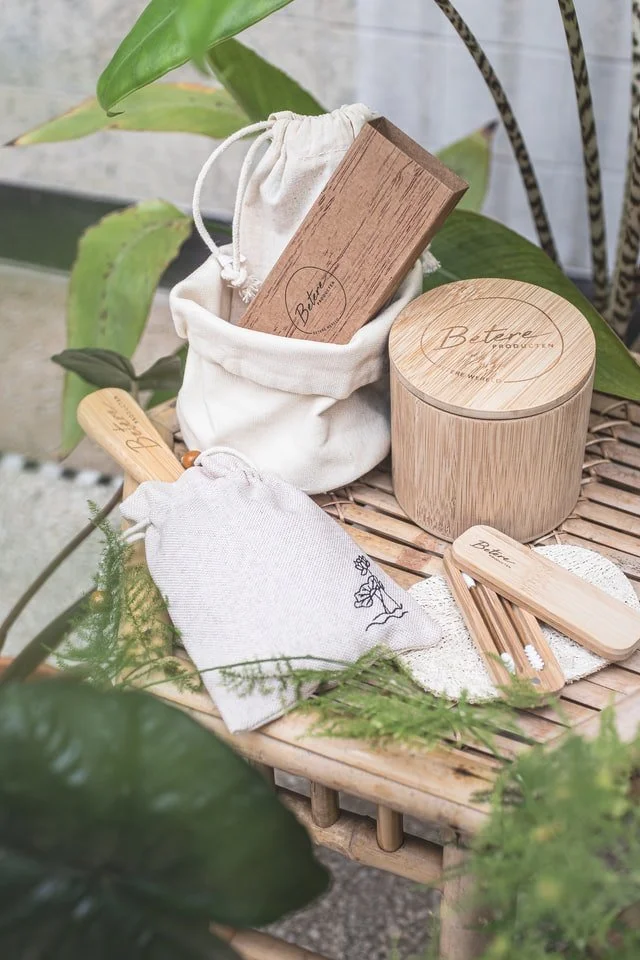
Think about the materials you buy. Look out for items that are used from sustainable timbers and well-managed forests in accordance with the Forest Stewardship Council (FSC).
If possible, source your products locally, reducing carbon footprint on imports and exports. The assembly process alone during the manufacturing process uses huge amounts of energy with electricity using large specialist machinery. There are plenty of manufacturers today who supply sustainably quality and stylish products - here on Fisher’s Creek we aim to do this for your home and garden - we are always looking for local and independent artisans to work alongside.
Waste disposal
Minimizing the waste throughout our daily routines where ever possible by using recycled plastics and metals as well as biodegradable materials.
Look at the packaging of your purchases minimizing unnecessary waste.
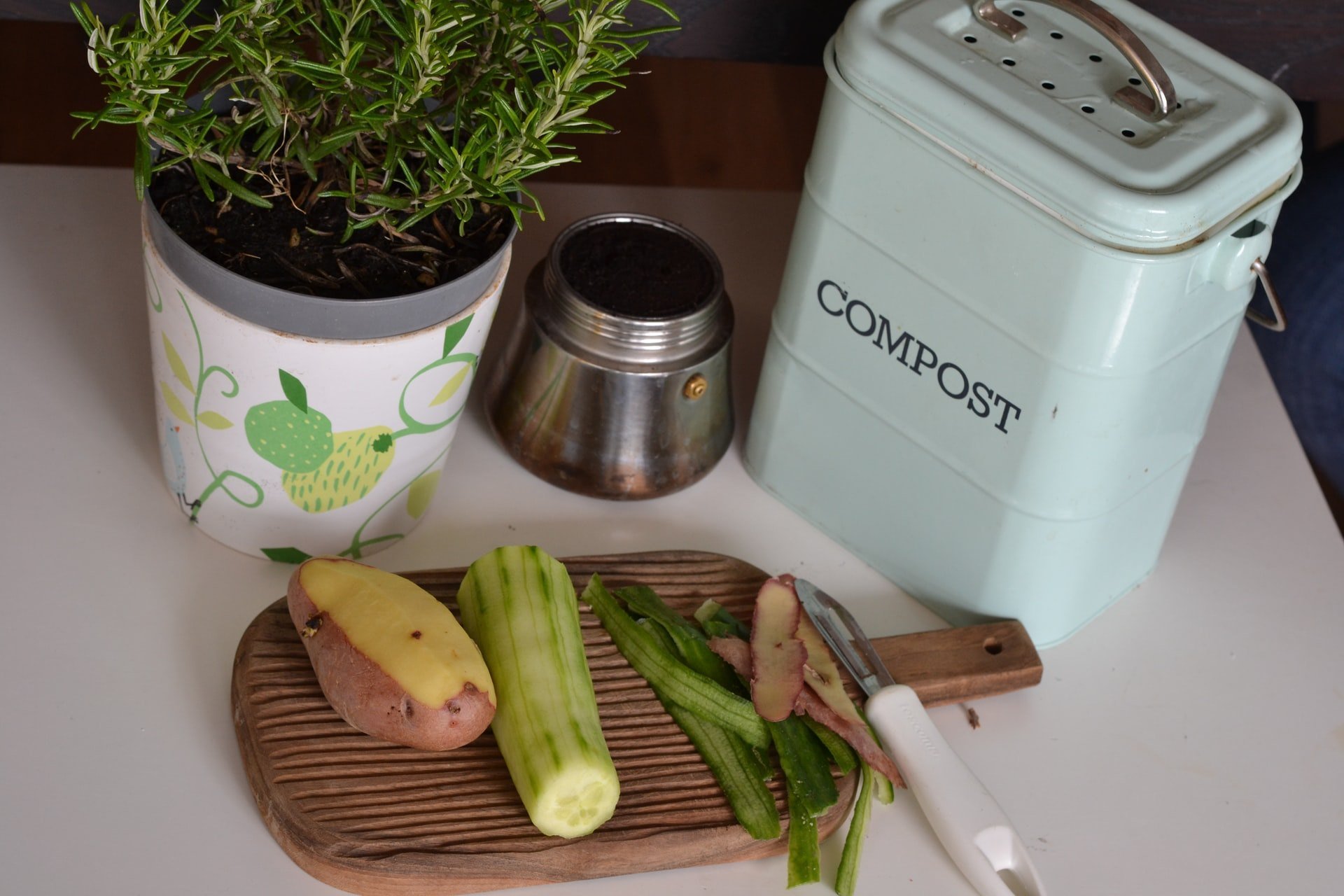
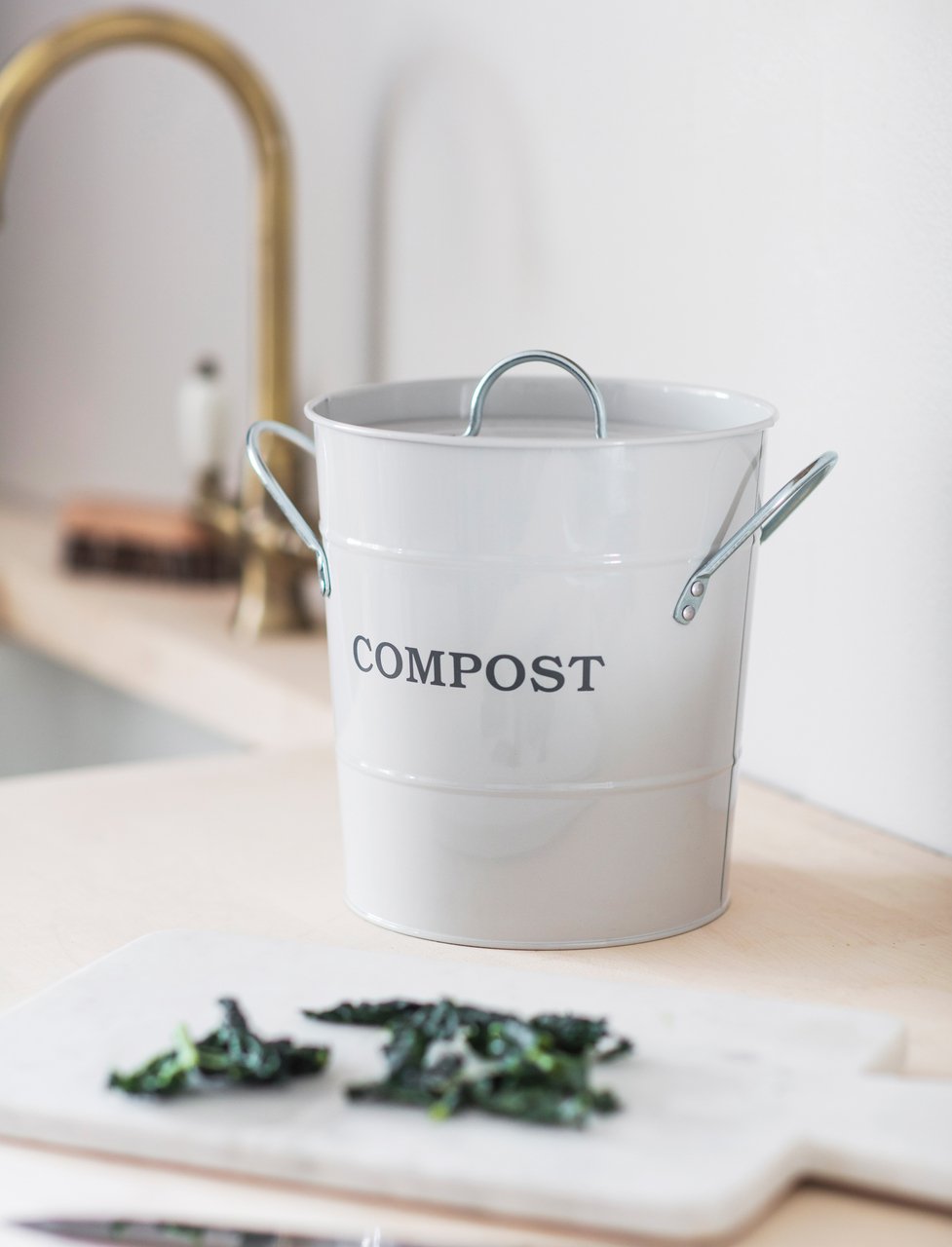
Get creative for the garden and start food waste composting as well as recycling.
Re-vamping an old piece of furniture, or even second hand, and really give it a new lease of life by perhaps painting it, or changing the drawer handles. This will really save on the demand of new production or even the item being discarded into landfill. Alternatively landfill sites do have a facility whereby they can sell your products. Perhaps give your old furniture away rather than throw away. There are so many charitable groups around that will willingly take them off your hands and pick them up too.
Offer your old office / home electronics to companies for reuse in third world countries.
Organising your home
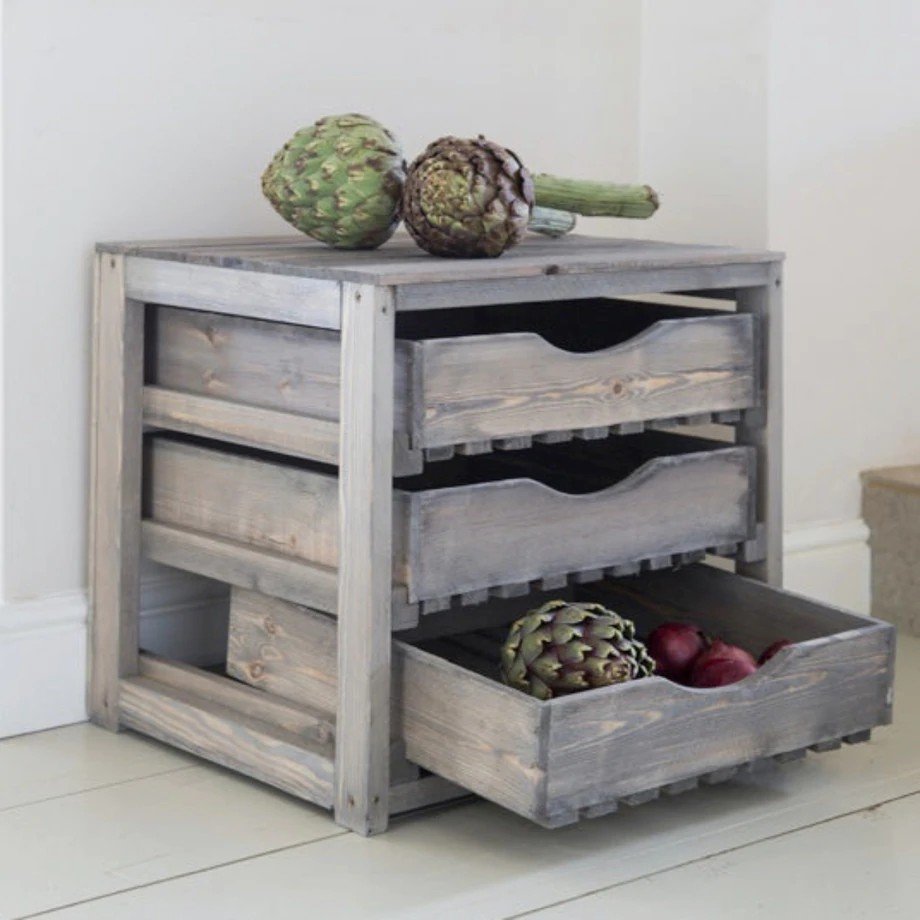
Garden Trading Aldsworth Vegetable Store
To utilize your products, especially if they are in a smaller space, perhaps they could have a dual purpose.
Keep your items of furniture functional, as well as being timeless so that they can be used their whole life time.
Buy items that you love instead of items that are ‘trending’ as these trends could be micro trends which might only last up to six months. This way they might not go out of fashion as they are to your personal taste which is unique to you.
Keeping your items well organised and minimal clutter will reduce your stress.
Hints and Tips
PAINTS - toxin free
CANDLES - beeswax and coconut wax are the most sustainable and environmentally aware
FABRICS - recycled / up-cycled
ELECTRICITY - turn off at mains when not in use (do not put on standby)
AIR FRESHENERS - toxin free
CLEANING PRODUCTS - toxin free (Eco friendly products available)
LIGHTING - recycled & using low energy bulbs & LED
FURNITURE - recycled or use from sustainable sources
MATERIALS - plastics, metals, wood – keep recycled or from sustainable sources & avoid mass produce
WASTE - keep to a minimum (refills a great idea)
PACKAGING - keep to an absolute minimum & try not to use plastic
STORAGE - recycle your storage boxes