
Biophilic Design
ROOTED IN NATURE
Since childhood, I have been captivated by plants and the quiet beauty of watching them grow over time. I now understand that this connection to nature has been a constant source of joy in my life, inspiring my appreciation for the transformative power of biophilic design for both humanity and the environment. As an interior designer, I now see biophilic design as the perfect meeting point between those lifelong passions and the spaces we inhabit.
Biophilic design is a design approach that reconnects people with nature through the integration of natural elements, materials, and forms within the built environment, enhancing health, wellbeing, and overall productivity. Plants, to me, have never simply been decorative objects; they soften a space, improve air quality, regulate humidity, and create a sense of life and movement that people instinctively respond to. Many people who feel deeply connected to nature discover later that it was never “just liking plants”, but a genuine response to living systems, growth, rhythm, and restoration. They do far more than decorate a space, they can reduce stress and mental fatigue, improve focus and creativity, regulate humidity and air quality, create emotional grounding and calm and reconnect people with seasonal change and natural cycles.
The concept of biophilic design became widely recognised in the 1980’s through Edward O. Wilson, a biologist who proposed the Biophilia Hypothesis. He suggested that because humans evolved in close relationship with the natural world, modern environments lacking nature can negatively affect wellbeing, stress levels, and mental health.
Architects, environmental psychologists, and designers later expanded these ideas into what became known as biophilic design. Rather focusing only on aesthetics, the movement explored how homes, workplaces, hospitals, and public spaces could improve human well-being.
On a wider scale, biophilic thinking encourages more sustainable cities, regenerative landscapes, and healthier relationships between humans and the natural world. There is something profoundly restorative about nurturing living things and witnessing gradual change over time. Spaces designed with this philosophy often feel less rigid and more alive with environments that encourage people to slow down, breathe deeply, and reconnect with themselves.
Biophilic designs are based on six principles, namely;
1. Nature in the space
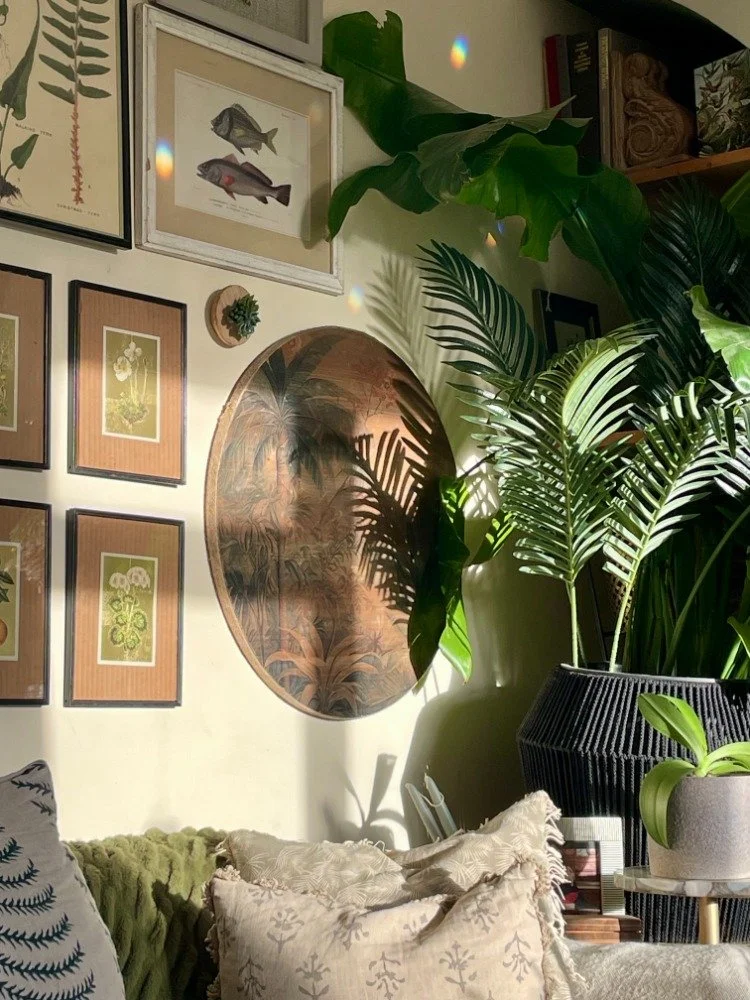
Nature in the space focuses on introducing direct connections to nature with the home through living and sensory elements. These include indoor plants and green walls, natural daylight, fresh airflow and ventilation, water features, views of gardens, landscapes, or sky and natural scents and sounds.
2. Natural shapes and forms
Nature rarely exists in rigid straight lines, and interiors inspired by natural forms often feel softer and more restorative. Soft curves are one of the strongest visual elements in biophilic interiors because they mimic rivers, leaves, waves, stones, and the human body.
3. Natural materials and textures
Using authentic, tactile materials strengthens the sensory connection to nature and introduces warmth into a home. Materials such as wood, stone, linen, wool, rattan, handcrafted ceramics and textured clay finishes.
4. Light and space
Natural light plays one of the most important roles in biophilic interiors because it supports wellbeing, energy, and natural circadian rhythms which is your body’s internal 24-hour clock regulating natural cycles such as: sleep and wakefulness, energy levels, hormone production, body temperature, digestion and finally, mood and alertness.
5. Connection to place and ecology
This principle encourages interiors to feel connected to their environment, climate, and surrounding landscape rather than disconnected or artificial.
6. Restorative and emotional design
At its core, biophilic design is about how a space makes you feel emotionally and physically. A restorative home should encourage calm and relaxation, emotional grounding, comfort and a feeling of safety, softness, and wellbeing.
Across many cultures, practices such as Feng Shui share biophilic design’s deep connection to nature and the belief that humans thrive when surrounded by organic elements. Traditional Japanese architecture, Islamic gardens, Scandinavian design, courtyards in Mediterranean homes, and the practice of Feng Shui all reflect humanity’s long-standing desire to live in harmony with nature.
Biophilic interiors use greenery, daylight, natural textures, and organic forms to create calm and restoration while Feng Shui encourages the balanced use of the five natural elements, namely; wood, fire, earth, metal and water. These elements are used intentionally to influence mood, energy, and harmony within a home. Many biophilic interiors naturally incorporate these principles already through timber, stone, water features, natural fibres, candles and living plants. Ultimately, Feng Shui and biophilic design both encourage intentional living. They ask us to slow down and become more aware of our surroundings, daily rhythms, and emotional responses to space.
Today, many disciplines are embracing biophilic principles, from ecological landscape design and regenerative architecture to therapeutic horticulture and sustainable interiors. The beauty of this approach is that it does not require a complete renovation. Often the most meaningful changes are subtle and layered gradually through tactile materials, sensory comfort, and stronger visual connections to the outdoors. Replacing synthetic finishes with tactile materials such as wood, stone, linen, clay, rattan, wool, and bamboo instantly creates warmth and sensory comfort within a home. Even the small visual links to nature can reduce stress such as positioning seating toward a garden view or adding nature-inspired artwork whilst introducing water elements or natural movement. If outdoor access is limited, then layered greenery and natural imagery still help create that connection.
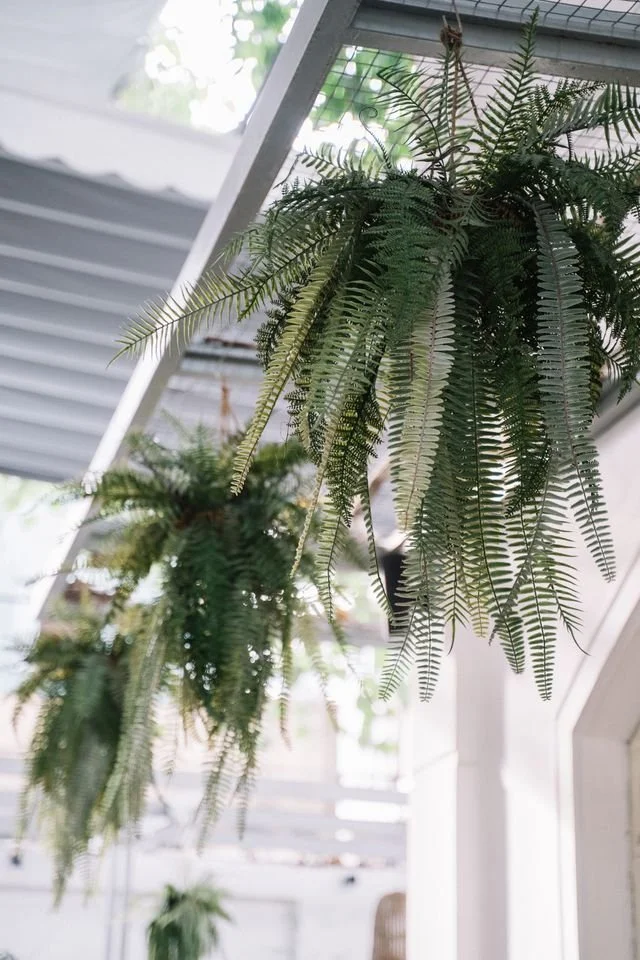
One of the simplest ways to begin the process of biophilic design is by introducing living plants throughout your spaces to create softness, movement, texture, and improved air quality. Large statement plants can anchor living spaces, while hanging greenery, herb gardens, and layered planting at varying heights add depth and visual rhythm. Maximising natural light is equally important, as daylight remains one of the strongest key biophilic elements. Sheer curtains, uncluttered windows, and carefully positioned mirrors can amplify light and support natural daily rhythms creating spaces that feel calmer, healthier, and more energising.
A beautifully designed biophilic home can feel like a living environment rather than simply a decorated space, evolving with light, seasons, plants, and people within it. These homes prioritise peace, balance, and connection over perfection. Rather than striving for flawless interiors, biophilic spaces encourage calm, mindfulness, and a deeper connection to everyday living. Beginning with biophilic design does not require a complete transformation; often the most meaningful changes happen gradually through natural light greenery, tactile materials, and intentional living. Ultimately, a biophilic home becomes more than a visually beautiful space, it becomes an environment that genuinely nurtures wellbeing.
While biophilic interiors are often associated with luxury wellness spaces, the principles themselves can be introduced gradually and affordably through decluttering and improving airflow, rearranging furniture toward outdoor views, adding houseplants or herbs, introducing earthy colours and softer lighting. Incorporating candles, ceramics or natural décor as well as using linen, cotton, timber or woven textures can feel far more restorative than an expensive but overly synthetic space.
Designing your own biophilic room or space is ultimately about creating an area that reflects your identity, supports your lifestyle, and tests the time. By combining functionality with refined detail, every design can feel both elevated and effortlessly lived in and quietly tells your story.